
Walk into any commercial facility, and the first thing you notice—consciously or not—is the floor. Scuffed, dull, or yellowing floors communicate neglect, instantly degrading the professional image you work hard to maintain. For many property managers and business owners in Baltimore, MD, a deteriorating floor often leads to a panicked assumption: it is time for a complete replacement.
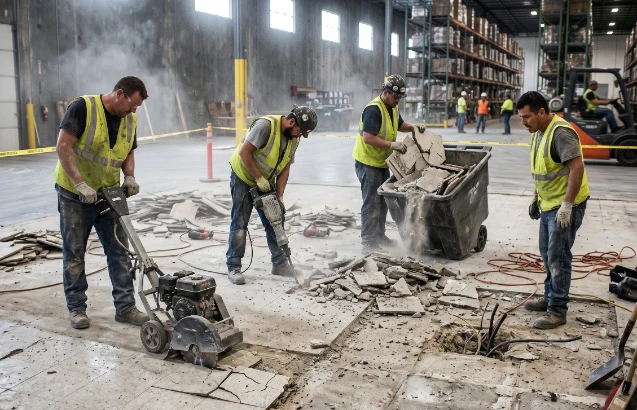
Tearing out vinyl composition tile (VCT), terrazzo, or linoleum costs thousands of dollars in materials alone, not to mention the steep labor fees and facility downtime. Replacing commercial flooring disrupts your daily operations, forces closures, and destroys your maintenance budget. Fortunately, replacement is rarely the only option.
Before you pull up a single tile or sign a massive contracting estimate, consider a highly effective, cost-saving alternative: professional floor restoration. Through expert floor stripping and floor waxing, you can resurrect damaged surfaces, bringing back their original luster for a fraction of the cost of brand-new flooring. Let’s explore why restoration makes the most financial and operational sense for your facility.
The Hidden Cost of Premature Floor Replacement
Business owners often underestimate the true financial burden of laying down new floors. Beyond the baseline cost per square foot, you must account for demolition, disposal of the old materials, subfloor preparation, and installation. If your facility operates around the clock—such as a hospital, warehouse, or 24-hour retail space—shutting down a wing or an entire building equates to severe disruptions and lost revenue.
Facility managers frequently confuse the buildup of degraded finish with permanent damage to the flooring material itself. When acrylic floor finish wears down, dirt embeds deeply into the wax layers. Over time, sunlight and harsh cleaning chemicals cause these layers to oxidize and turn a sickly yellow hue. The actual tile underneath this discolored armor is often perfectly intact. By addressing the surface layers rather than the substrate, you can save your organization significant capital and avoid the nightmare of a major construction project.
What Exactly Are Floor Stripping and Waxing?
Restoring a commercial floor is not a simple matter of mopping on a new layer of shine. It requires a systematic, chemically precise approach to remove decades of abuse and lay down a resilient protective barrier. Here is exactly what happens during the technical restoration process.
The Stripping Phase
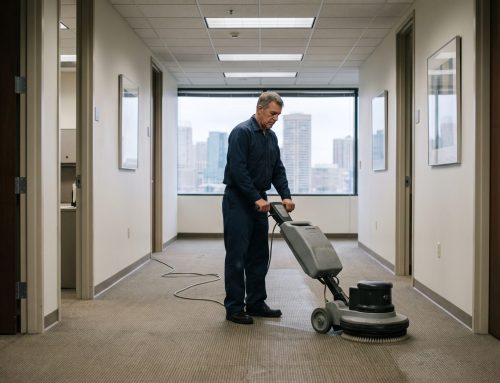
Floor stripping is the most critical step in the restoration process. Technicians apply a highly alkaline stripping solution to the floor to break down and emulsify the old layers of wax, deeply embedded soil, and heavy scuff marks. Professionals use specialized rotary floor machines equipped with aggressive stripping pads to agitate the surface, effectively lifting the old finish from the tile.
Once the old wax liquefies, it must be extracted immediately using heavy-duty wet vacuums. Leaving liquefied finish on the floor allows it to dry and harden back into the tile, creating an uneven mess. Crucially, the floor must then be rinsed and neutralized. Stripping chemicals have a high pH; if the floor is not properly neutralized, the new wax will not adhere, leading to premature peeling and flaking.
The Waxing Phase
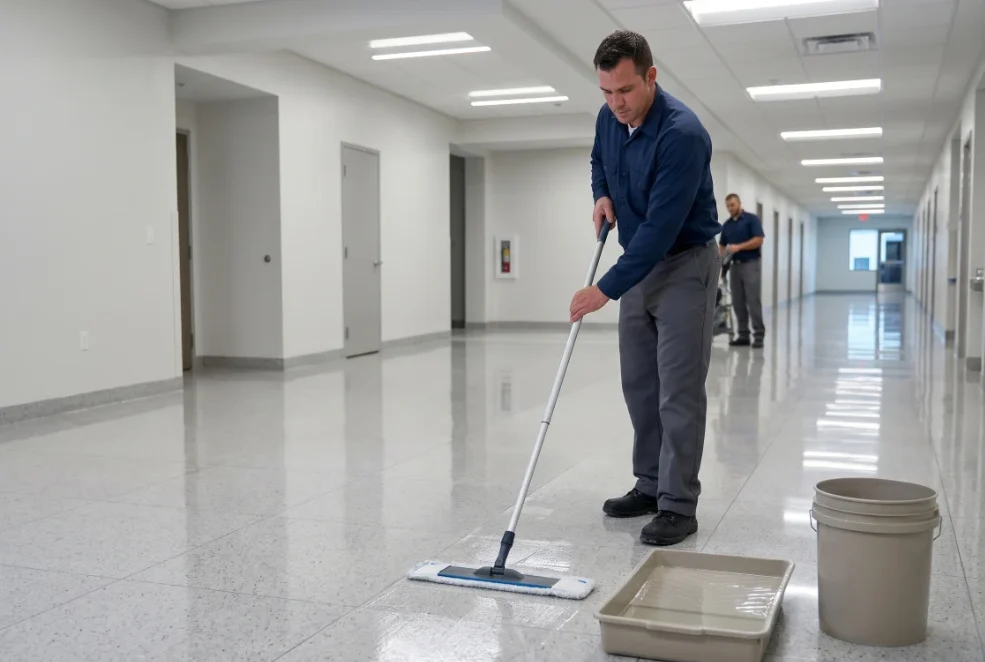
Once the bare floor is completely clean, dry, and neutralized, the floor waxing phase begins. Technicians apply multiple coats of premium, commercial-grade acrylic finish. Each thin, even layer must cure completely before the next is applied. This slow, deliberate process builds a durable, high-gloss shield that protects the actual tile from foot traffic, spills, and abrasions. The final result is a pristine, mirror-like finish that brightens the room by reflecting overhead light and creating a sterile, polished aesthetic.
Signs Your Facility Needs Floor Maintenance Instead of Replacement
How do you know when it is time to schedule a restoration rather than reaching for the mop? Look for these distinct signs that your floor finish has failed:
Discoloration and Yellowing:
If your VCT or terrazzo looks perpetually dingy or yellow despite regular sweeping and mopping, the wax layers have oxidized and trapped dirt deep within the finish.
Deep Scratches and Gouges:
Heavy foot traffic, moving equipment, and rolling chairs carve paths into the protective finish. If these scratches catch the edge of your fingernail, the top barrier is compromised.
Loss of Gloss:
A dull, flat appearance across high-traffic zones—especially in hallways and entryways—indicates the protective wax barrier has worn entirely away, leaving the porous tile underneath vulnerable to permanent damage.
Sticky or Gummy Texture:
Improper daily cleaning with the wrong chemical dilutions can break down the wax, leaving a tacky residue that attracts dirt like a magnet.
If your floors exhibit these symptoms, scheduling an extraction and recoating service will immediately reverse the degradation.
Why Partner with a Professional Commercial Cleaning Company?
Attempting to execute a floor restoration project in-house is a risky endeavor. Janitorial staff without specific hard-floor training often lack the knowledge to handle stripping chemicals safely. Stripping agents are highly caustic and require strict safety protocols, including proper ventilation and personal protective equipment, to prevent severe chemical burns or slip-and-fall accidents.
Beyond safety concerns, amateur application ruins floors. Applying wax over a floor that has not been properly neutralized traps dirt and chemical residue, resulting in a clouded, streaky finish. Worse, applying wax too thickly prevents proper curing, leading to a soft surface that scratches easily and requires immediate stripping to fix.
Partnering with an experienced commercial cleaning company ensures the job is done correctly the first time. Professionals possess the industrial-grade auto-scrubbers, low-speed floor buffers, high-solids finishes, and technical expertise required to achieve a flawless, long-lasting result. They understand the chemistry of the products and the exact timing needed for application and curing, guaranteeing a beautiful final product.
Extending the Life of Your Restored Floors in Baltimore
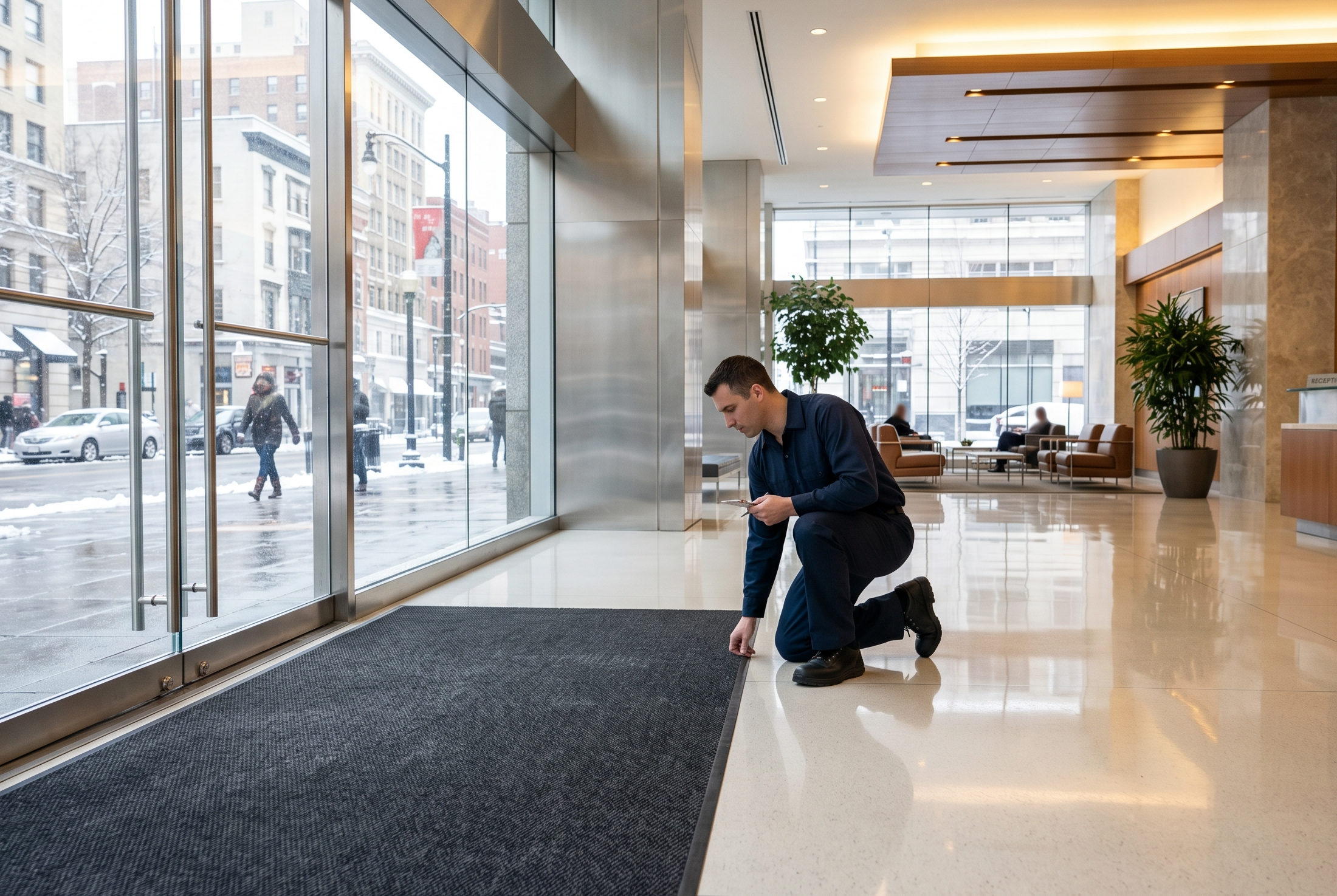
Once your floors look brand new, maintaining them properly extends the time between necessary stripping procedures. In a city like Baltimore, MD, facility floors take a unique beating. From the abrasive road salt tracked inside during harsh Northeast winters to the humid summers that can heavily affect curing times and finish longevity, regional weather plays a massive role in floor wear.
Preserving the structural integrity and aesthetic appeal of your commercial facility does not require astronomical budgets or complete renovations. By recognizing the difference between a failing finish and a failing floor, you can avoid the immense cost and disruption of premature replacement. Professional floor stripping and waxing offer a highly effective way to revitalize your space, project a pristine professional image, and protect your underlying flooring assets for years to come.
Achieving these lasting results requires precision, high-quality materials, and extensive industry experience. For property managers and business owners ready to transform their commercial spaces, Interworld Cleaning delivers unmatched expertise in hard floor care and comprehensive facility maintenance. Our highly trained technicians handle the heavy lifting, ensuring your floors reflect the excellence of your business operations.
Stop letting dull, damaged floors negatively impact your facility and client perception. Discover how our dedicated team can save you thousands on your next maintenance project. Contact Interworld Cleaning today to schedule a consultation and receive a custom care plan tailored specifically to the unique demands of your building.