

A comprehensive Baltimore fall cleaning checklist is essential as October marks a major seasonal turning point across Maryland. Cooler air sends people indoors, while rain and humidity swings create new moisture risks. Meanwhile, fallen leaves, dust, and seasonal allergens collect around entryways and HVAC systems. Following a structured plan helps homes and businesses stay fresher, safer, and more comfortable before winter arrives.
This guide offers a practical plan for busy homeowners, parents, property managers, office managers, and facility operators. It focuses on prevention—especially moisture control—while using greener cleaning habits that avoid overpowering fragrances and harsh chemical residue.
Why Fall Cleaning Matters in Baltimore
Baltimore’s fall weather can be unpredictable. Rainy days, damp leaves, fluctuating humidity, and cooler nights all increase the chance that moisture lingers indoors. Mold needs moisture, organic material, and time to grow. Because of this, damp basements, wet entry mats, and poorly ventilated storage areas deserve extra attention.
As windows stay closed and heating systems begin running, dust that settled over the warmer months can circulate more noticeably. Carpets, upholstery, vents, baseboards, and cluttered corners can hold dust and everyday allergens. Routine cleaning reduces surface dust, dirt, and allergens. While it cannot cure asthma, a clean indoor environment makes day-to-day breathing much easier.
A seasonal Baltimore fall cleaning checklist also helps catch issues early. Look for slow sink leaks, musty basements, stained carpets, or dust buildup around vents.
Baltimore Fall Cleaning Checklist for Homes
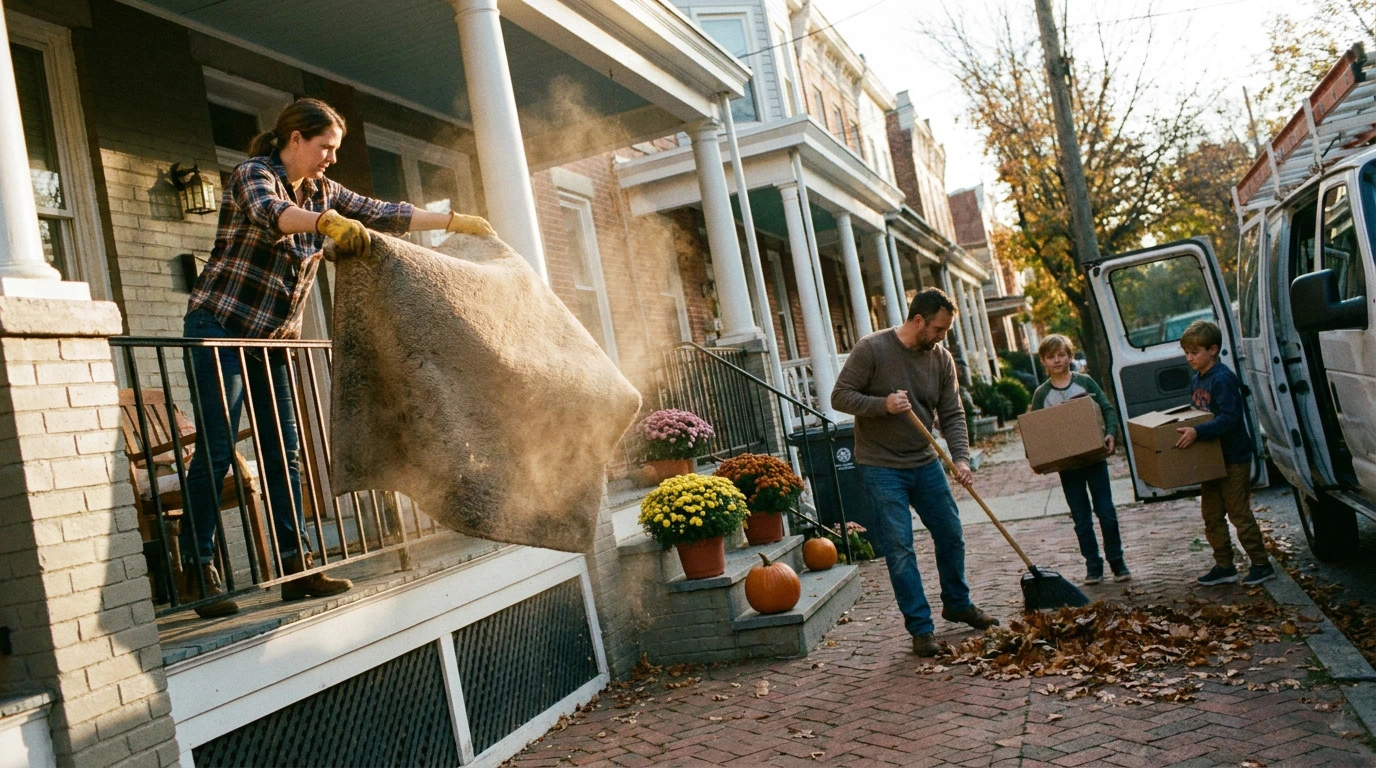
Start with the areas that see the most traffic and moisture. You can handle many of these tasks yourself. However, heavily soiled carpets, large basements, and persistent problem areas often require professional deep cleaning.
- Refresh entryways: Shake out door mats and sweep porches. Remove leaf debris, then wipe doors, handles, and switch plates.
- Clean floors and baseboards: Sweep or vacuum hard floors, then mop with a product appropriate for the surface. Vacuum baseboards and corners where dust and pet hair collect.
- Vacuum carpets thoroughly: Use a HEPA-filtered vacuum if available. Move slowly over high-traffic paths, carpet edges, stairs, and entry doorways. For deep-set dirt or odors, schedule professional carpet cleaning services.
- Wipe window tracks and sills: Remove leaves, insects, dust, and condensation residue. Check for water stains, peeling paint, or soft wood that may signal ongoing moisture.
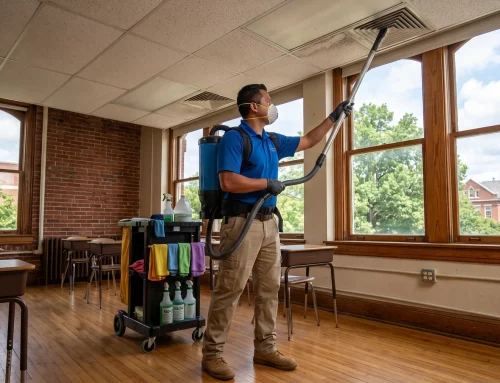
- Dust vents, ceiling fans, and high surfaces: Work from the top down so particles fall toward the floor for final vacuuming. Do not attempt to clean inside ductwork yourself; a qualified HVAC professional should assess suspected duct contamination.
- Freshen upholstery and bedding: Vacuum sofas, chairs, mattress surfaces, and fabric headboards according to manufacturer directions. Wash bedding, throw blankets, and washable covers.
Kitchens, Bathrooms, and Basements
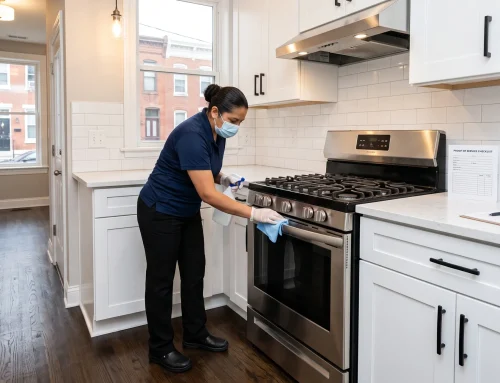
- Deep-clean the kitchen: Clear expired food and wipe cabinet fronts. Degrease the stovetop, clean the sink, and inspect underneath for hidden plumbing leaks.
- Sanitize bathrooms: Clean toilets, sinks, tubs, shower doors, grout surfaces, and high-touch handles. Run the exhaust fan during and after showers, and watch for mildew in corners or around caulk.
- Tidy bedrooms and closets: Declutter and rotate seasonal clothing. Vacuum closet floors, and avoid storing damp shoes or cardboard against exterior walls.
- Inspect the basement: Look for damp spots, condensation, musty odors, water stains, and cluttered storage. Basement cleaning in Baltimore is especially valuable before winter, when these spaces often stay closed and humid.
For routine upkeep, homeowners can manage dusting, vacuuming, mopping, and bathroom cleaning. However, investing in professional residential cleaning is ideal for heavy jobs. It helps with renovation dust, cluttered basements, move-in tasks, and recurring odors.
Focus on Basements, Carpets, and Moisture-Prone Areas
Basements, carpet edges, closets, laundry areas, and storage rooms can trap dust, odors, and moisture. Cardboard boxes, fabric items, paper, and organic debris give mold the organic material it needs if moisture is present long enough.
Use this simple moisture-control checklist:
- Fix dripping faucets, leaking pipes, and appliance hose issues promptly.
- Keep gutters and downspouts clear so water drains away from the foundation.
- Use exhaust fans in bathrooms and kitchens where appropriate.
- Avoid leaving wet towels, rugs, or shoes bunched together.
- Keep basement items off the floor where practical, especially cardboard and fabric.
- Run a dehumidifier in damp areas if needed, and empty it regularly.
- Clean spills quickly, particularly on carpet and upholstery.
- Investigate musty odors rather than masking them with fragrance.
Distilled white vinegar can help reduce some surface mold and odors on suitable non-porous materials, but it is not a guaranteed mold-killer. Bleach may discolor fabrics, damage certain surfaces, and often does not penetrate porous materials well. For widespread mold, repeated dampness, water damage, or suspected mold in HVAC systems, contact a qualified mold remediation or moisture-control professional.
Baltimore Fall Cleaning Checklist for Businesses
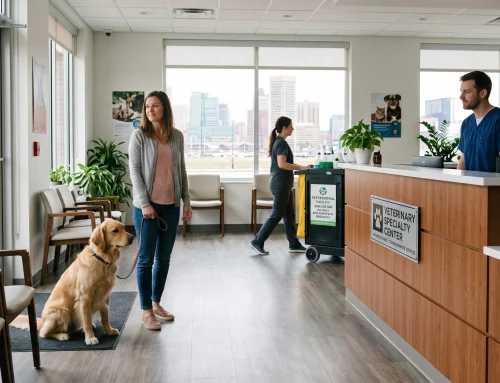
Commercial spaces face their own fall challenges: wet footwear, leaf litter, increased indoor occupancy, shared equipment, and restrooms and break rooms that need consistent attention. A strong Baltimore fall cleaning checklist keeps facilities welcoming while supporting healthier indoor conditions.
- Entry mats and lobbies: Vacuum mats daily or as needed, remove leaf debris, clean glass doors, and wipe reception counters and door handles.
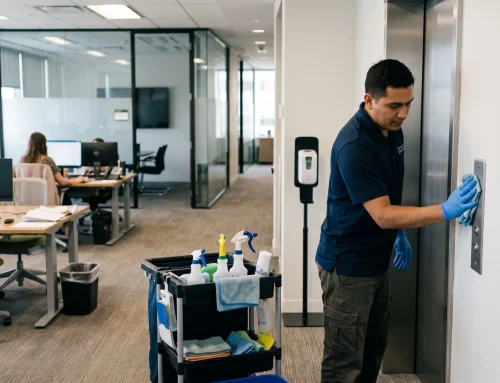
- Offices and conference rooms: Dust desks, shelves, electronics exteriors, chairs, and baseboards; disinfect high-touch surfaces such as door handles, elevator buttons, and shared printers.
- Restrooms: Clean and disinfect fixtures, refill supplies, mop floors, empty waste receptacles, and check for leaks or persistent odors.
- Break rooms: Clean refrigerators, microwaves, tables, sinks, and coffee stations. Enzyme-based cleaners can help break down certain organic residues from food spills and pet or organic odors, when used as directed.
- Carpets and hard floors: Vacuum traffic lanes and edges frequently; schedule periodic carpet cleaning in Baltimore for embedded soil and stains. Maintain hard floors with the correct cleaning method for the material, including periodic floor stripping and waxing cleaning for resilient tile surfaces.
- Warehouses and industrial areas: Clear dust from accessible surfaces, organize storage zones, clean break areas and restrooms, and address floor debris safely.
- Trash and recycling areas: Empty containers before overflow, clean spills, and keep lids closed to reduce odors and pests.
Green cleaning can support a healthier workplace without strong fragrance or harsh chemical residue. Interworld Cleaning offers green cleaning on request and uses Green Seal cleaning products, with flexible scheduling that includes evenings and overnight work for Baltimore businesses.
A Practical Fall Cleaning Sequence
- Inspect for moisture, leaks, odors, and visible mildew.
- Declutter and remove items that trap dust.
- Dust from high surfaces downward.
- Vacuum floors and carpets, paying special attention to edges and entryways.
- Clean hard surfaces with appropriate green cleaning products.
- Treat carpets, upholstery, and problem areas according to material type.
- Clean vents, baseboards, door frames, and high-touch points.
- Address basements, storage areas, and moisture-prone zones.
- Establish a recurring cleaning schedule for fall and winter.
Consistency matters more than a single marathon cleaning session. Weekly upkeep plus a seasonal deep clean helps prevent dust and moisture problems from building up.
When to Call a Professional Green Cleaning Company
Consider calling a professional cleaning company if you notice a persistent musty odor, recurring dampness, heavy dust buildup, stained carpets, post-renovation debris, or high-traffic areas that your team cannot maintain. Businesses with limited staff time, frequent visitors, or multiple restrooms and break areas often benefit from scheduled commercial cleaning in Baltimore.
Interworld Cleaning provides routine and deep cleaning services for homes and businesses and can help maintain cleaner indoor spaces. If you suspect large-scale mold, ongoing water damage, contamination inside HVAC systems, or hazardous materials, a qualified mold remediation, moisture-control, or environmental specialist should evaluate the situation first.
How Interworld Cleaning Can Help
Interworld Cleaning is a regional full-service commercial, industrial, and residential janitorial contractor serving Baltimore and nearby Maryland communities. The company offers residential cleaning, office cleaning, deep cleaning, industrial cleaning, and commercial cleaning services, along with green cleaning options on request.
For homes, Interworld can support seasonal upkeep with deep cleaning services in Baltimore, basement cleaning, and specialized carpet care. For workplaces, its commercial and office cleaning teams can handle recurring janitorial needs, high-touch surface cleaning, restroom and break-room care, floor maintenance, and after-hours scheduling. Learn more about our cleaning team to see how our certified experts protect local properties year-round.
Following a dedicated Baltimore fall cleaning checklist is ultimately about prevention, consistency, and creating healthier indoor spaces before the colder months settle in. Start with moisture control, reduce dust traps, clean high-traffic areas regularly, and bring in professional help when the job becomes too large or recurring.
Ready to prepare your home or business for fall? Contact us today to request a free quote or schedule a professional fall deep clean.