
Maintaining a healthy, spotless environment requires strategic planning, whether managing a corporate facility in Maryland or restoring indoor air quality at home. When facility directors evaluate upkeep strategies, the debate of day porter vs overnight janitorial services takes center stage. Both models serve distinct purposes; however, choosing the proper cadence depends on foot traffic, surface materials, and health priorities.
Surprisingly, severe floor and air quality degradation often builds up invisibly over time. Picture a high-traffic corporate lobby after months of heavy foot traffic and summer humidity. Trapped moisture in carpet backing and neglected breakroom corners creates unseen mold spores and persistent organic odors. Just as managing these biohazards demands specialized green chemistry rather than toxic quick fixes, maintaining high-traffic commercial spaces requires knowing when to deploy real-time daytime maintenance versus quiet overnight deep cleans.
Understanding these operational frameworks—and applying sound environmental science—ensures your property stays safe, compliant, and pristine.
The Operational Breakdown: Day Porter vs. Overnight Janitorial
Choosing between real-time maintenance and off-hours remediation directly impacts indoor air quality, budgets, and occupant satisfaction.
Real-Time Vigilance with Day Porter Services
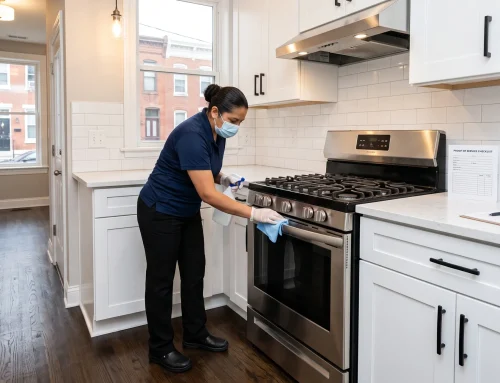
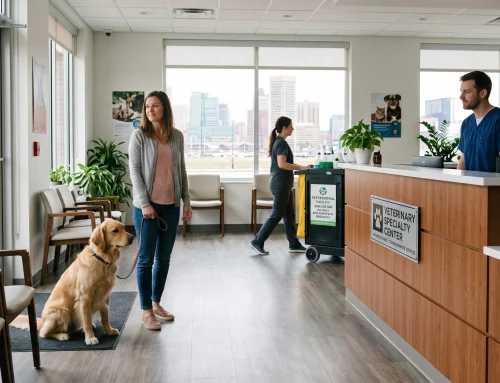
In practice, a day porter operates as an active, daytime steward for your property. Instead of waiting until business hours end, a dedicated day porter manages real-time spills, restocks restrooms, sanitizes touchpoints, and maintains lobbies.
For facilities in urban areas, relying on day porter services Baltimore businesses trust provides an immediate defense against cross-contamination. In fact, high-touch vectors like elevator buttons, door handles, and breakroom counters harbor bacteria that multiply rapidly throughout the workday. Consequently, having an expert on-site ensures these surfaces are continually neutralized without disrupting daily workflows.
Day Porter vs Overnight Janitorial: Silent Efficiency Off-Hours
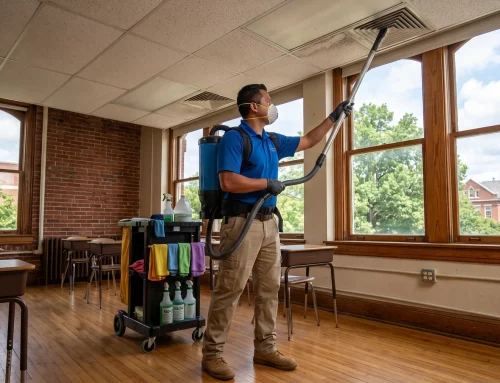
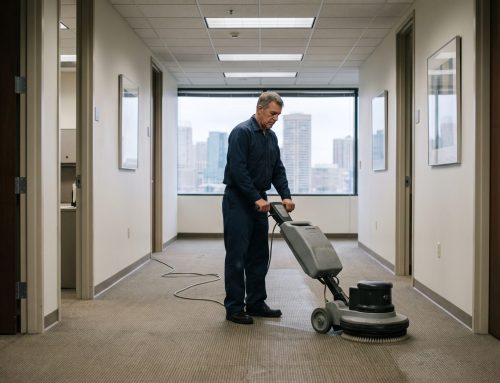
Conversely, when staff and visitors vacate the premises, overnight commercial cleaning teams perform heavy-duty extraction and surface restoration. Night crews handle deep carpet cleaning, hard-floor stripping and waxing, trash removal, and systematic disinfection.
In addition, executing heavy maintenance off-hours offers clear logistical advantages. Chemical contact times—crucial for proper sanitization—can be fully honored without exposing employees or visitors to wet floors or aerosols. Therefore, when evaluating day porter vs overnight janitorial workflows, overnight services excel at restoring high-traffic facilities to baseline hygiene before the next business morning.
Day Porter vs. Overnight Janitorial: Why a Hybrid Approach Works
As a result, evaluating commercial cleaning options does not require an all-or-nothing choice. Combining daytime touchpoint control with thorough nightly extraction creates a robust barrier against viral transmission and surface degradation. Modern facility management janitorial solutions frequently leverage a hybrid model to maximize visual appeal and bio-burden mitigation simultaneously.
Green Chemistry and Indoor Environmental Health: Lessons from the Field
Whether managing commercial properties or tackling residential bio-contaminants, applying incorrect cleaning agents causes permanent structural and fabric damage. Commercial carpet tiles, modular seating, and synthetic office upholstery provide a prime example of green cleaning chemistry and fabric preservation in action.
The Science of Fabric Damage: Chlorine Bleach and Heat
When confronted with stubborn organic stains or localized moisture in commercial textiles, untrained cleaners often reach for chlorine bleach or aggressive heat treatments. Both methods backfire.
-
Chlorine Bleach (Sodium Hypochlorite): Bleach relies on aggressive oxidation. While it lightens surface discoloration, it fails to penetrate porous carpet backing or acoustic panel fabrics. On commercial nylon and olefin upholstery, bleach breaks down polymer chains, permanently fading carpet dyes and stripping factory stain-resistant coatings.
-
Thermal Setting: Similarly, subjecting organic stains or fungal spores to high heat before complete removal causes thermal coagulation. Proteins and fungal tannins chemically bind with synthetic fibers under high temperatures, permanently baking dark stains into the weave.
Safe Organic Decomposition: Acetic Acid and Enzyme Solutions
To protect expensive commercial flooring assets and preserve indoor air quality without off-gassing hazardous volatile organic compounds (VOCs), professional green cleaning relies on targeted biochemistry.
-
Distilled White Vinegar (Acetic Acid): Dilute acetic acid lowers surface pH, disrupting cellular membrane structures of mold spores and bacteria without damaging synthetic carpet weaves. It neutralizes alkaline odors natively—making it ideal for eco-friendly daytime spill response.
-
Enzyme-Based Cleaners: Enzymes are biological catalysts designed to digest organic matter. Protease enzymes break down complex protein stains, lipases target oily residues, and amylases digest starches. These specialized compounds consume food sources supporting fungal growth, eliminating odors at the molecular level rather than masking them with synthetic fragrances.
Step-by-Step Action Guide: Commercial Bio-Burden & Textile Remediation
To restore mold-impacted fabric or gear without harsh chemicals or thermal damage, follow this green restoration protocol:
-
Containment & High-Touch Isolation:
During daytime hours, a dedicated day porter identifies organic spills or localized moisture build-up in high-traffic zones, isolating the area to prevent cross-contamination across lobby floors.
-
Acidic & Eco-Friendly Pre-Treatment:
Apply dilute, low-VOC acetic acid solutions to localized textile stains or grout lines to lower surface pH and lyse biological membranes without off-gassing hazardous fumes during business hours.
-
Targeted Bio-Enzymatic Digestion:
Deploy bio-enzymatic cleaners on organic residues in breakrooms or restrooms. Active enzymes break down complex proteins and lipids at the molecular level, eliminating severe odor sources at their root.
-
Agitation & Cold Water Extraction:
During overnight janitorial shifts, execute hot or cold water extraction on commercial broadloom and carpet tiles to lift suspended organic particulate matter without thermal stain-baking.
-
Airflow Optimization & Sanitization:
Position commercial air movers and utilize UV-C air scrubbers overnight to ensure high-traffic carpet zones dry completely before peak operating hours resume the following morning.
Day Porter vs Overnight Janitorial: Choosing the Right Strategy
Aligning facility needs with the proper operational setup requires assessing foot traffic, operational hours, and health compliance standards. Comparing day porter vs overnight janitorial advantages reveals key operational benchmarks:
Ultimately, evaluating these variables helps property managers establish a seamless maintenance schedule that protects building occupants and preserves capital assets. When comparing day porter vs overnight janitorial coverage, blending both models delivers maximum health protection.
Elevate Your Facility with Professional Day Porter and Janitorial Services
Whether navigating commercial facility maintenance or seeking a healthier, toxin-free residential space, professional execution is paramount. Harsh industrial chemicals, lingering VOC fumes, and improper maintenance techniques compromise indoor air quality and damage physical assets over time.
As a premier regional contractor, Interworld Cleaning delivers industry-leading commercial, industrial, and residential solutions grounded in health-conscious cleaning science. Our trained technicians utilize state-of-the-art green cleaning methodologies, advanced microfiber extraction, and eco-friendly sanitization practices tailored to your exact requirements.
Protect your occupants, enhance indoor environmental health, and elevate your facility standards today. Visit Interworld Cleaning to schedule a comprehensive professional consultation or request your free customized quote!