
Cleanliness in healthcare settings is not just about appearance. In medical offices, clinics, and treatment centers, proper disinfection helps protect patients, staff, and visitors from harmful bacteria and viruses that can spread quickly through shared spaces.
In Baltimore, Maryland, medical facilities stay busy year-round. Waiting rooms fill up fast, exam rooms are used continuously, and high-touch surfaces are handled by dozens of people every day. Because of this, using the right Disinfectants for Medical Spaces is one of the most important parts of maintaining a safe environment.
Not every disinfectant works the same way. Some are designed for daily surface cleaning, while others are made to handle stronger contamination risks. Understanding which products work best and when to use them can help healthcare facilities improve safety and maintain higher sanitation standards.
Why Medical Spaces Need Stronger Disinfection Standards
A regular office and a medical office have very different cleaning needs.
In a healthcare setting, surfaces may come into contact with germs from sick patients, bodily fluids, contaminated equipment, or airborne illnesses. Even something as simple as a door handle or reception desk can carry bacteria throughout the day.
That is why medical facilities often follow stricter cleaning procedures than other commercial buildings.
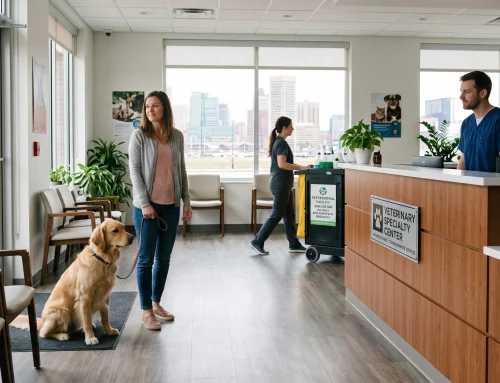
Areas that usually require frequent disinfecting include:
- Waiting rooms
- Exam rooms
- Dental operatories
- Restrooms
- Nurse stations
- Treatment tables
- Shared equipment
- Light switches and handles
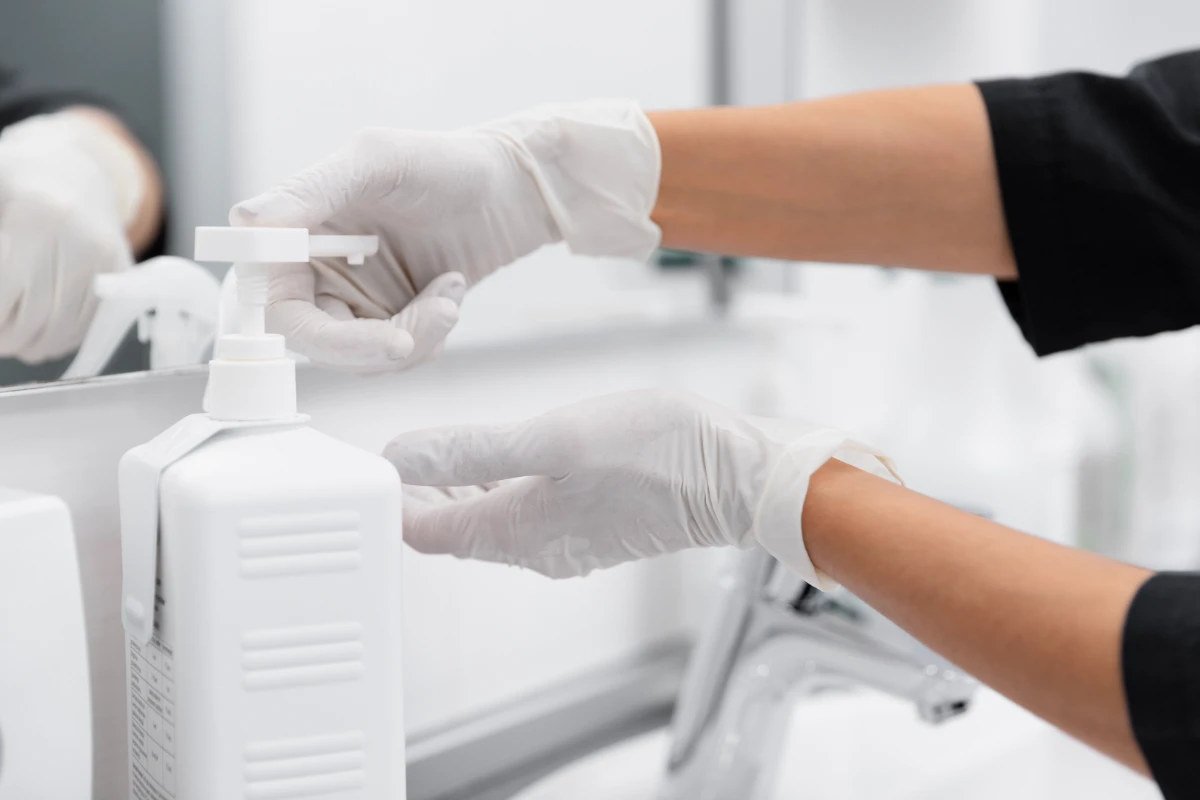
Professional commercial cleaners working in healthcare environments are trained to focus on these high-contact areas because they are more likely to spread germs if overlooked.
Understanding the Difference Between Cleaning and Disinfecting
People often use the words “cleaning” and “disinfecting” as if they mean the same thing, but they are actually different.
Cleaning
Cleaning removes dirt, dust, and visible debris from surfaces. It helps improve appearance and removes some germs, but it does not necessarily kill bacteria or viruses.
Disinfecting
Disinfecting uses chemicals designed to kill microorganisms on surfaces. In healthcare settings, this step is critical.
A surface may look clean but still contain harmful pathogens if it has not been disinfected properly.
That is why healthcare facilities in Baltimore often rely on experienced commercial cleaning services in Baltimore that understand medical sanitation requirements rather than standard janitorial cleaning alone.
The Most Common Disinfectants Used in Medical Spaces
Different healthcare environments use different products depending on the level of risk, the type of surfaces being cleaned, and the frequency of use.
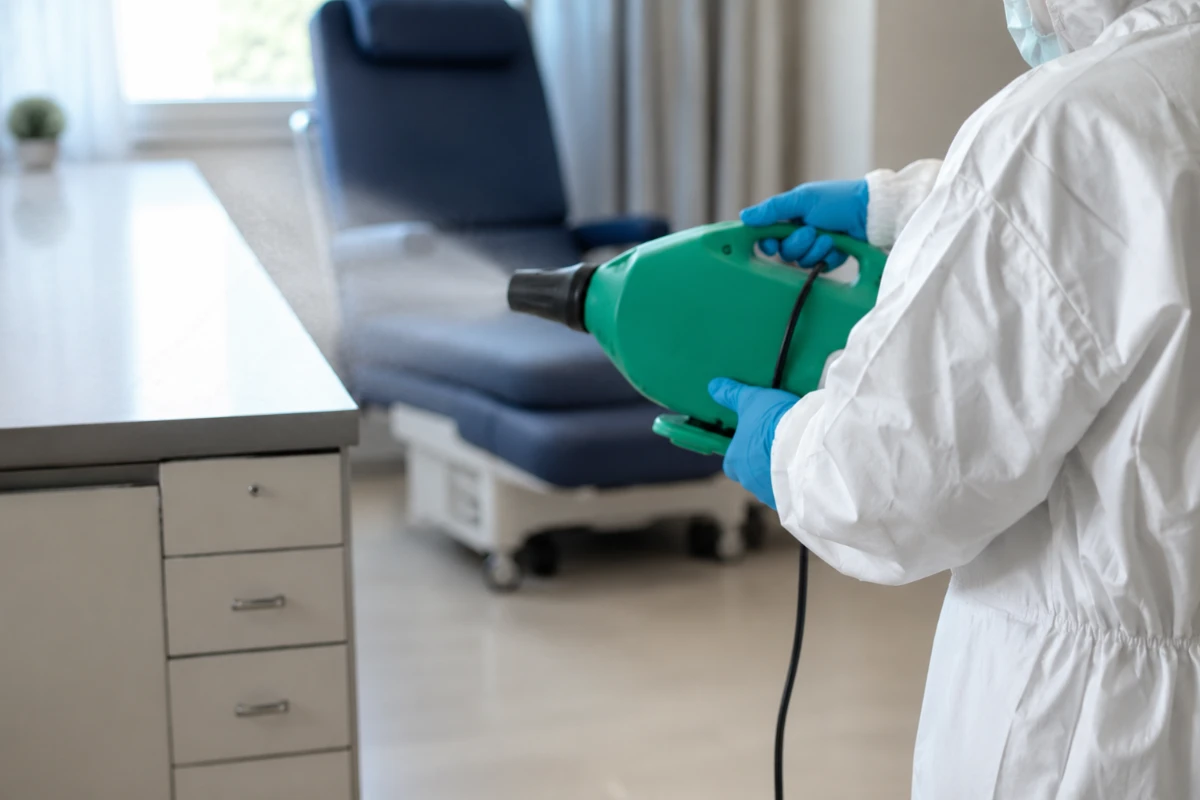
Here are some of the most effective Disinfectants for Medical Spaces used today.
Quaternary Ammonium Disinfectants
These are often called “quats” in the cleaning industry.
Quats are commonly used in:
- Clinics
- Medical offices
- Waiting areas
- Patient rooms
- Reception spaces
One reason they are so popular is that they work well on many everyday surfaces without causing major damage.
Benefits include:
- Effective against many bacteria and viruses
- Mild odor
- Safe for frequent daily use
- Compatible with many hard surfaces
Many healthcare facilities choose quat-based products for routine disinfecting because they provide reliable results without being overly harsh.
Hydrogen Peroxide-Based Cleaners
Hydrogen peroxide disinfectants have become more common in healthcare environments over the last several years.
These products are known for strong germ-killing ability while also breaking down into water and oxygen after use.
They are often used for:
- Exam rooms
- Restrooms
- Counters
- High-touch surfaces
Some healthcare managers prefer hydrogen peroxide products because they leave behind less chemical residue than stronger traditional cleaners.
Another advantage is improved indoor air quality. In busy medical facilities where staff and patients spend long hours indoors, this can make a noticeable difference.
Bleach Disinfectants
Bleach is still considered one of the strongest disinfectants available for healthcare settings.
It is especially useful when dealing with:
- Bloodborne pathogens
- Virus outbreaks
- Bodily fluid cleanup
- Isolation areas
Hospitals and emergency healthcare environments frequently use bleach-based products because of their broad disinfecting power.
At the same time, bleach does have drawbacks.
It can:
- Damage some materials
- Produce strong fumes
- Discolor surfaces
- Require careful dilution
Because of this, many professional commercial cleaners only use bleach where it is truly necessary instead of applying it throughout an entire facility.
Alcohol-Based Disinfectants
Alcohol disinfectants are often used for smaller surfaces and medical equipment.
They work quickly and evaporate fast, which makes them useful for:
- Touch screens
- Medical tools
- Electronic devices
- Small equipment surfaces
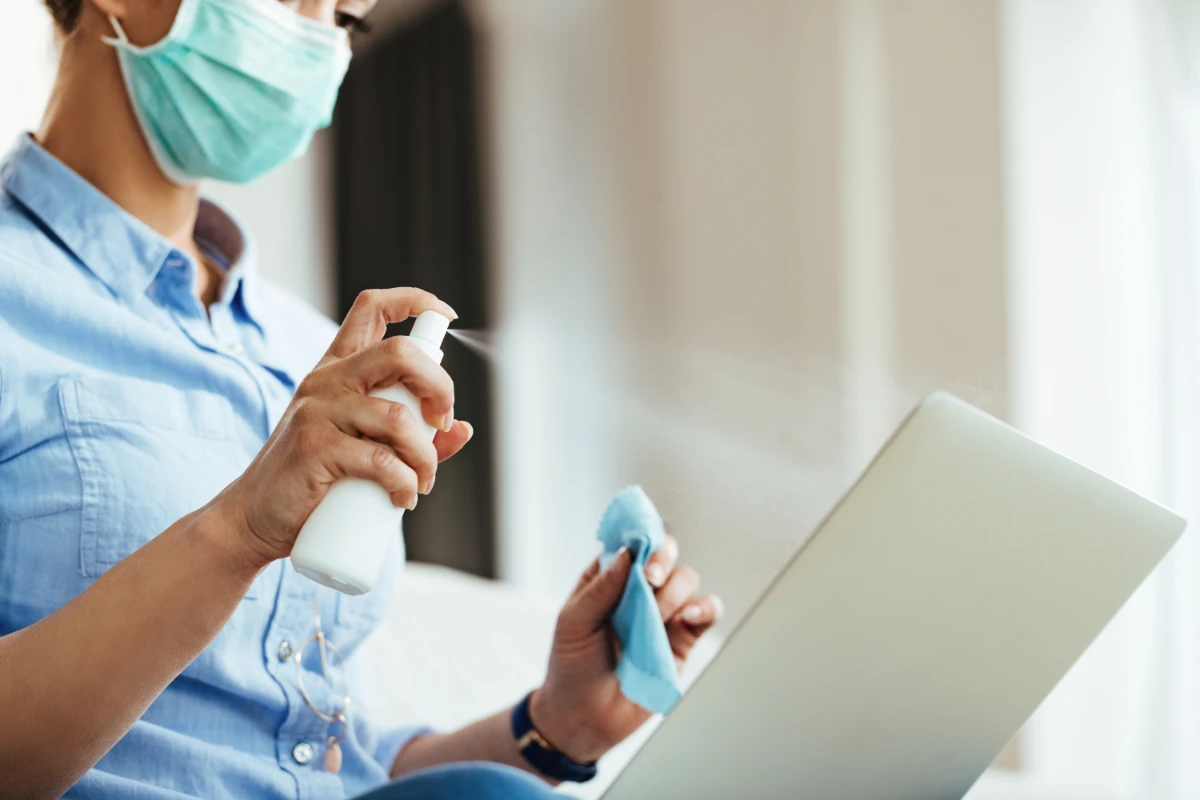
However, alcohol products are not always ideal for large-scale disinfecting because they dry too quickly on bigger surfaces.
In most medical facilities, they are used as part of a larger disinfecting routine rather than the only cleaning solution.
Why Contact Time Matters
One of the biggest mistakes people make when disinfecting surfaces is wiping products away too quickly.
Most disinfectants need to stay wet on a surface for a specific amount of time to fully kill germs. This is called contact time or dwell time.
Depending on the product, that could be anywhere from 30 seconds to 10 minutes.
If the surface dries too quickly or gets wiped immediately, the disinfectant may not work properly.
This is one reason healthcare facilities often hire a professional commercial cleaning company instead of relying on basic in-house cleaning alone. Trained cleaners understand how products should be applied and how long they should remain on surfaces to be effective.
High-Touch Areas Need Extra Attention
Some parts of a medical facility collect more germs simply because they are touched constantly throughout the day.
These areas should be disinfected more frequently than others.
Common high-touch surfaces include:
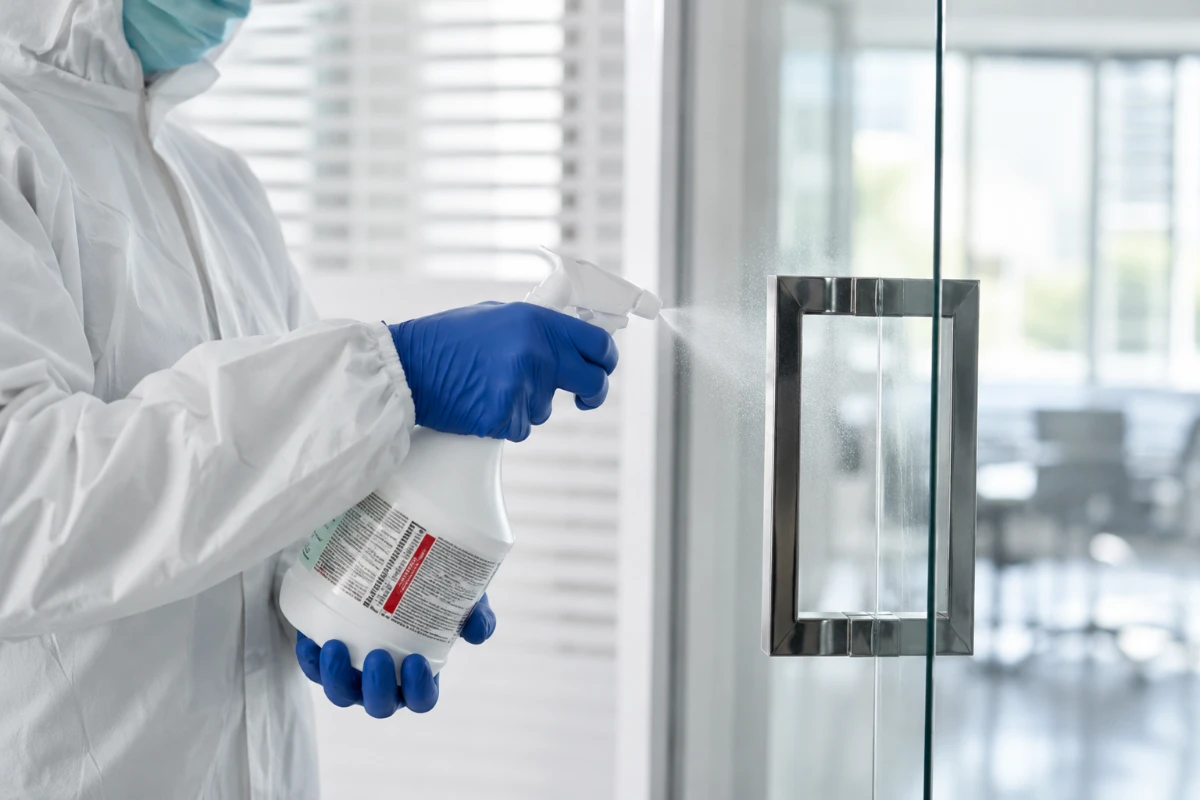
- Door handles
- Check-in counters
- Pens and clipboards
- Elevator buttons
- Faucet handles
- Waiting room armrests
- Shared keyboards
- Medical carts
Even the best disinfectants cannot help much if these areas are skipped during cleaning.
Consistency matters just as much as the products being used.
Choosing the Right Cleaning Partner in Baltimore
Healthcare cleaning requires more attention to detail than many other industries.
A qualified cleaning team should understand:
- Proper disinfecting procedures
- Cross-contamination prevention
- Safe chemical handling
- Medical cleaning standards
- High-risk surface management
Medical offices in Baltimore also need cleaning schedules that fit around patient care without causing disruption.
That is why many clinics and healthcare facilities work with a trusted commercial cleaning company that can build customized cleaning plans around their operating hours and sanitation priorities.
Eco-Friendly Disinfecting Options
Some medical facilities are now looking for disinfectants that are both effective and safer for indoor environments.
Modern eco-friendly disinfectants can help reduce:
- Strong chemical odors
- Harsh residue
- Air quality concerns
However, effectiveness should always come first in healthcare environments. Any product used in a medical setting should still meet proper disinfecting standards and EPA requirements.
Experienced providers of commercial cleaning services in Baltimore can help facilities choose products that balance performance with environmental concerns.
Final Thoughts
Using the right Disinfectants for Medical Spaces plays a major role in keeping healthcare environments safer and cleaner. From daily patient traffic to high-touch surfaces, medical facilities face sanitation challenges that require more than ordinary cleaning products.
The most effective disinfecting programs combine proper products, trained professionals, consistent routines, and attention to detail. Whether it is a private clinic, dental office, or larger healthcare facility in Baltimore, maintaining strong cleaning standards helps protect both patients and staff.
Interworld Cleaning Services provides dependable residential, commercial, and specialty cleaning services throughout Baltimore, Maryland. Their team works with businesses and healthcare facilities that need reliable sanitation support and professional cleaning solutions. To learn more or request a quote, visit Interworld Cleaning Services.