

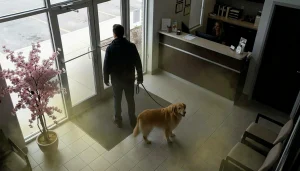
A pet parent opens the front door to your practice, carrying a nervous golden retriever. Before the receptionist even smiles, the client halts. That lingering vet clinic’s lobby smell—a wave of stale urine aggressively masked by artificial cherry blossoms and harsh chlorine—hits them immediately. Within seconds, a subconscious decision solidifies: if the lobby isn’t clean, the surgical suites aren’t either.
This is the infamous “Lobby Smell Test.” For practice managers and overwhelmed vet techs working long shifts across Baltimore, MD, maintaining a pristine indoor environment often feels like fighting a losing battle against biology. The reality is that organic soils—urine, feces, anal gland secretions, and vomit—embed themselves deep within grout lines, porous flooring, and waiting room fabrics. Clients regularly vent about walking out of clinics purely because of the underlying stench of decay and waste. If you want to stop losing patients before they even reach the exam room, you need to understand exactly how to eliminate vet clinic odor right at the molecular source.
The Toxic Truth: Why Bleach and Perfumes Can’t Fix a Vet Clinic’s Lobby Smell
Let’s dismantle a pervasive industry myth: bleach equals clean. Relying on traditional chlorine bleach to manage veterinary odors is scientifically flawed and physically hazardous to everyone inside your building.
The Chlorine Bleach Fallacy
Applying chlorine bleach to canine or feline urine means mixing a highly reactive sodium hypochlorite solution with uric acid and ammonia. This chemical collision fails to dissolve the uric acid crystals embedded in your floor. Instead, it forms toxic chloramine gases and volatile organic compounds (VOCs). These noxious byproducts hang heavily in the air, triggering acute respiratory distress. Avian patients, brachycephalic dogs, and cats with sensitive, short airways are exceptionally vulnerable to these fumes.
Your human staff bears the brunt of this daily chemical warfare. Vet techs constantly report debilitating headaches, asthma flare-ups, and chronic airway irritation resulting directly from cleaning crews over-using bleach on biological spills. Standard janitorial teams rarely grasp this specific environmental danger. This lack of specialized knowledge is exactly why relying on medical grade cleaning baltimore specialists is non-negotiable for modern veterinary practices.
The Fragrance Cover-Up
Once the bleach fails to neutralize the stench, many practices try to smother the lingering scent with heavy synthetic fragrances or aerosol masking agents. These products simply coat the airborne odor molecules. They never neutralize the offending compounds. Instead, they create an overwhelming, sickly-sweet chemical soup that immediately alienates discerning pet parents. A true indoor environmental health strategy never relies on masking; it demands complete eradication.
The Molecular Solution: Neutralizing a Vet Clinic’s Lobby Smell at the Source
Knowing how to eliminate vet clinic odor safely requires looking past rudimentary disinfectants and leveraging advanced bio-enzymatic chemistry. This is where true veterinary hospital odor control begins. Rather than burning organic matter with caustic chemicals, bio-enzymatics deploy highly specialized, non-pathogenic bacteria and enzymes that target specific organic compounds.
Think of these enzymes as highly specific biological locks and keys. Proteases break down complex protein chains found in blood, vomit, and necrotic tissue. Lipases metabolize lipid residues and stubborn fats. Uricases specifically target and digest the resilient uric acid salts left behind by dried urine and foul-smelling anal gland secretions.
Once applied to a contaminated surface, these dormant bacterial enzymes wake up, multiply, and begin digesting the organic matter. They consume the source of the stench at the molecular level, tearing apart the chemical structures causing bad smells. The only byproducts resulting from this biological feast are harmless carbon dioxide and water. The result? Total odor neutralization without a single hazardous VOC lingering in your lobby’s breathing zone.
A Daily Protocol to Eradicate a Vet Clinic’s Lobby Smell
Eliminating a vet clinic’s lobby smell permanently requires implementing a targeted, daily eradication strategy for your most vulnerable surfaces: grout lines, unsealed concrete, vinyl flooring, and waiting room seating fabrics. Here is a baseline bio-enzymatic protocol to dramatically upgrade your veterinary facility janitorial solutions:
-
Immediate Organic Removal: The moment an accident occurs in the lobby, physically extract the solid waste. Blot up liquids completely using disposable, highly absorbent materials. Never apply hot water directly onto fresh urine; heat sets the protein chains tightly into the microscopic pores of your flooring.
-
Liberally Apply the Bio-Enzymatic Solution: Saturate the affected area with a premium, vet-safe enzyme cleaner. Ensure the liquid pools slightly so it can penetrate deep down into the grout lines, baseboards, and any micro-fissures in the flooring where uric acid crystals hide out of sight.
-
Allow for Optimal Dwell Time: Enzymes need adequate time to eat. Do not wipe the solution away immediately. Leave the area visibly wet for a minimum of 10 to 15 minutes. For older, stubborn, or deeply embedded stains, place a damp towel over the saturated spot overnight to prevent evaporation while the bacteria aggressively metabolize the waste.
-
Mechanical Agitation: Use a soft-bristled brush specifically on porous surfaces and stained grout lines to gently agitate the solution. This friction ensures maximum physical contact between the hungry enzymes and the embedded organic soil.
-
Final Extraction and Air Drying: Blot up the remaining moisture with a clean microfiber cloth. Allow the area to air dry completely. As the moisture evaporates, the enzymatic action naturally finishes, leaving zero sticky residue and zero chemical scent.
The Revenue and Staff Retention Connection
Your lobby’s air quality directly dictates your clinic’s bottom line. First impressions establish trust, and pet parents trust their noses above all else. When clients walk into a facility that smells genuinely clean—meaning it smells like absolutely nothing—they feel entirely confident handing over their beloved companions for surgery or treatment. A pristine environment communicates high clinical standards.
Abandoning harsh chemicals for enzymatic treatments also directly protects your veterinary staff. Veterinary professionals are burning out at unprecedented rates, and physical discomfort on the job only exacerbates the crisis. Forcing technicians to inhale chloramine gas every morning when they open the clinic accelerates turnover. Providing a healthy, breathable workspace serves as a powerful, often overlooked employee retention tool. When searching for commercial cleaning services Baltimore MD clinics can rely on, practice managers must demand teams versed in environmental health science, rather than those relying on outdated mopping techniques.
Partner with Baltimore’s Trusted Sanitation Experts
Ultimately, understanding how to eliminate vet clinic odor is about safeguarding both your vulnerable patients and your clinic’s profitability. Stop letting outdated cleaning methods drive clients to the competitor down the street. Now is the time to upgrade your environmental standards and provide a genuinely safe space for the animals you treat and the dedicated technicians who care for them.
Interworld Cleaning stands as the premier provider of pet safe commercial cleaning baltimore trusts. Our specialized teams understand the precise science of veterinary sanitation, from advanced molecular odor eradication to rigorous cross-contamination protocols. We do not just empty trash cans and mop floors; we actively protect your practice’s medical reputation and indoor air quality. Ensure your facility passes the Lobby Smell Test every single time. Visit Interworld Cleaning today to schedule a comprehensive veterinary facility sanitation audit or contact us for a request a free, customized medical-grade cleaning quote.