

If you’re cleaning a home for an older adult, “clean” can’t come at the cost of comfort. Strong fumes, heavy fragrance, slippery floors, and harsh chemicals can turn a normal cleaning day into coughing, headaches, watery eyes, or just feeling off.
That’s why Senior-Safe Cleaning matters. It’s a way of cleaning that keeps the home healthy and gentle: fewer irritants in the air, safer choices for skin, and methods that reduce slip risks. And it doesn’t need to be complicated.
A quick rule we follow: clean regularly, disinfect when it’s actually needed—especially when someone is sick or at higher risk. The CDC’s guidance supports this approach: clean high-touch surfaces regularly, clean other surfaces when visibly dirty, and disinfect when someone is sick or at higher risk.
What “Senior-Safe Cleaning” really means
Senior-safe cleaning is not about making a home sterile. It’s about making it comfortable to live in.
For many seniors, everyday sensitivity is the main issue:
-
Lungs that don’t like strong odors
-
Skin that reacts faster to harsh products
-
Balance that makes slick floors a real danger
-
Allergies that get worse when dust builds up
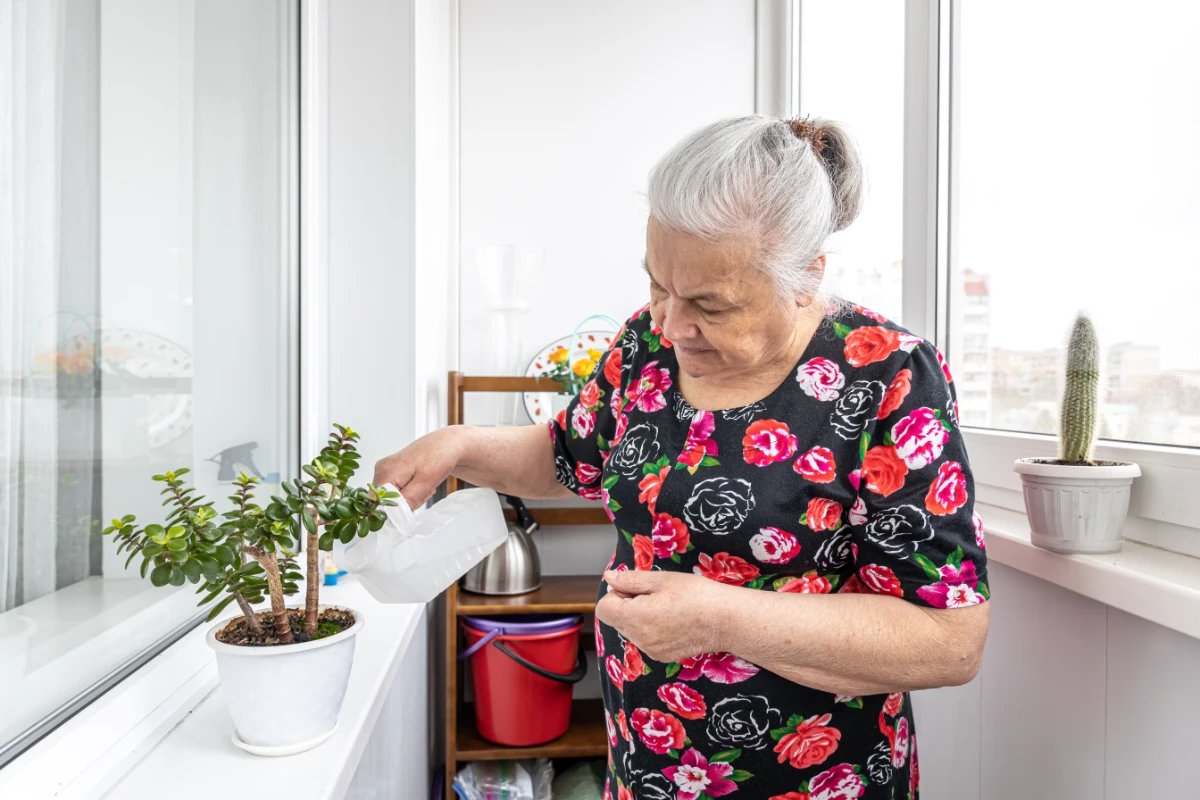
So instead of “the strongest cleaner possible,” we aim for “effective, low-irritation, and predictable.”
Safer product choices (without getting lost in labels)
People ask us about “green” products all the time. We get it. The problem is: labels can be confusing, and some “fresh scent” products are still tough on the airways.
One shortcut that helps: EPA Safer Choice. Products with the Safer Choice label are designed to perform while using ingredients the EPA considers safer for human health and the environment.
That doesn’t mean any product is risk-free, but it’s a good starting point when you’re trying to do non-toxic cleaning for seniors (or more accurately: lower-irritation cleaning).
What we recommend most often
In most Baltimore homes, you don’t need a cabinet full of specialty bottles. You need a few basics that work, and you need to use them the right way.
A simple setup usually covers it:

-
a gentle all-purpose cleaner (ideally low-odor)
-
a mild dish soap (great for lots of “daily” mess)
-
microfiber cloths (they pick up dust without needing strong sprays)
-
a bathroom cleaner that isn’t heavily fragranced
And if fragrance is a trigger for the person living in the home, we keep it simple: fragrance-free beats “smells clean” every time.
The American Lung Association also points out that cleaning supplies and household chemicals can affect indoor air, and they warn strongly about dangerous mixing (more on that in a second).
Methods that make cleaning safer for seniors
Products matter, but methods are where most senior-safe wins come from.
Ventilation first
Even “mild” products can bother someone if the air is trapped. Open a window. Run the bathroom fan. Give fumes a way out. Indoor air matters, especially for older adults with asthma or breathing sensitivities.
Clean first, disinfect when it makes sense
We see people over-disinfect the whole house when a calm routine would do better.
The CDC’s approach is clear: cleaning is regular maintenance; disinfecting is mainly for situations like illness or higher risk.
So the day-to-day plan often looks like this:
-
wipe down kitchen and bathroom touchpoints regularly
-
clean surfaces when they’re visibly dirty
-
disinfect when someone is sick, recovering, or immunocompromised
This keeps chemical exposure lower while still protecting health.
Floor safety is non-negotiable
A floor can be spotless and still be unsafe if it’s slick.
For senior-safe homes, we focus on:
-
using less product (residue causes slips)
-
rinsing when needed
-
drying wet areas fast
-
paying attention to bathrooms, kitchens, and entryways
It’s not glamorous, but it’s one of the biggest practical safety steps.
The rule we never break: don’t mix cleaning products
This is where accidents happen.
The American Lung Association specifically warns: never mix bleach (or bleach-containing products) with ammonia. That combination creates dangerous gases.
Public health guidance also explains that mixing bleach with ammonia produces toxic chloramines.
And bleach can react badly with other common products too. If you’re not 100% sure, use one product at a time, rinse, then switch.
Senior-safe focus areas in Baltimore homes
If a senior (or their family) is trying to keep cleaning manageable, we suggest focusing on the places that matter most to daily comfort:
Kitchen touchpoints: counters, faucet handles, fridge handle, microwave buttons.
Bathroom basics: sink handles, toilet handle, light switches, grab bars.
Dust control: especially bedrooms and living spaces where people rest.
You don’t have to clean the whole home top-to-bottom every time. A steady routine beats occasional “mega cleans,” especially when someone is sensitive.
When House Cleaning Services in Baltimore make more sense
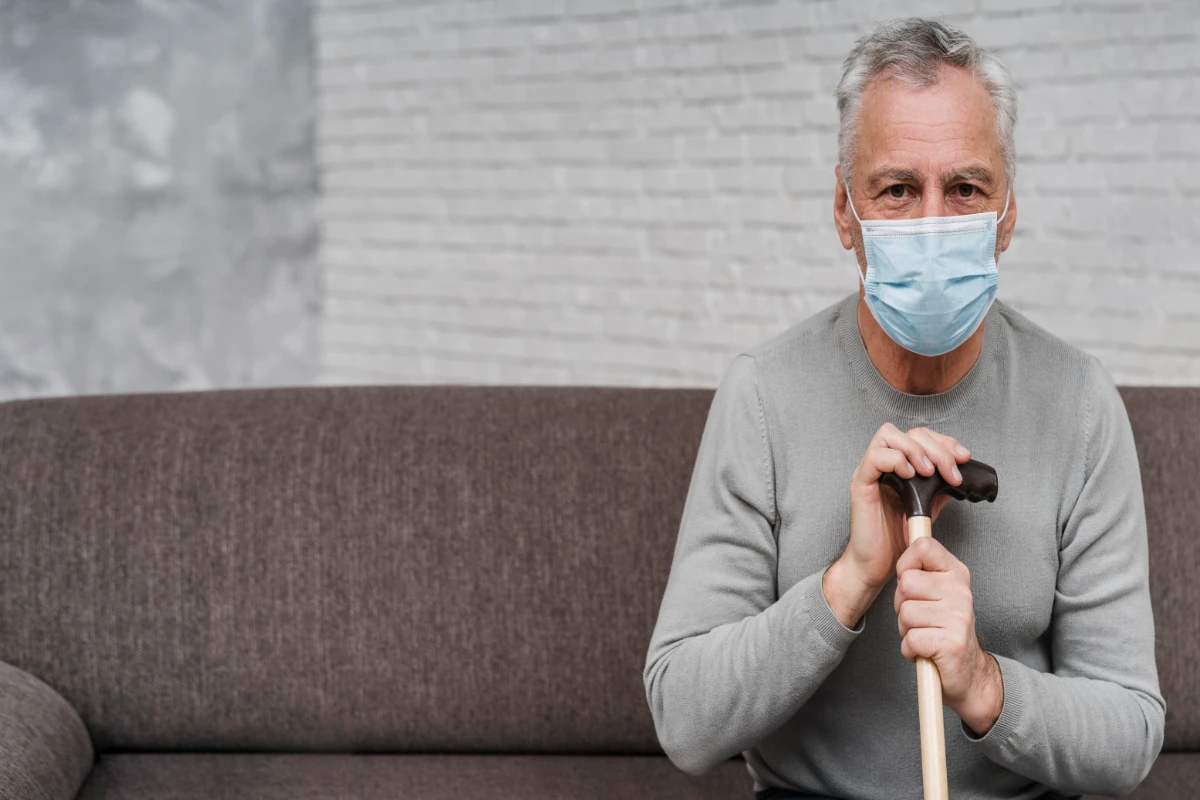
Sometimes the safest option is simply not asking a senior to do the heavy work—bending, lifting, scrubbing tubs, or breathing product fumes up close.
If you’re looking for House Cleaning Services in Baltimore, it’s smart to ask upfront for a senior-safe plan:
-
low-odor or fragrance-free products
-
careful floor cleaning (no slick residue)
-
focus on high-touch areas
-
clear communication about what was used and where
That’s the kind of cleaning that feels respectful, not rushed.
A natural next step with Interworld Cleaning
If you want a senior-safe clean without the guesswork, Interworld Cleaning offers House Cleaning Services in Baltimore with options that work well for senior homes—gentler product choices, careful floor cleaning, and attention to the areas that affect daily comfort most.
For more details, visit our House Cleaning Services page. And if you want to see the difference in real homes, check out our Gallery for before-and-after results. You’ll also notice our site includes the Google Guarantee badge, which many customers look for when choosing the best cleaning company in baltimore.