

Warehouse slip and fall prevention starts with the small things people stop noticing. A little dust on the concrete. A piece of shrink wrap near an aisle. Water tracked in from a loading dock. None of it looks like a big emergency at first, but in a busy warehouse, small floor hazards can turn into accidents fast.
In Baltimore warehouses, this can happen even faster because the weather gets involved too. Rain, winter salt, slush, mud, humid days, loading dock traffic, all of it gets carried inside. So the floor is not just a floor. It is part of the safety system.
Why Warehouse Slip and Fall Prevention Starts With Small Details
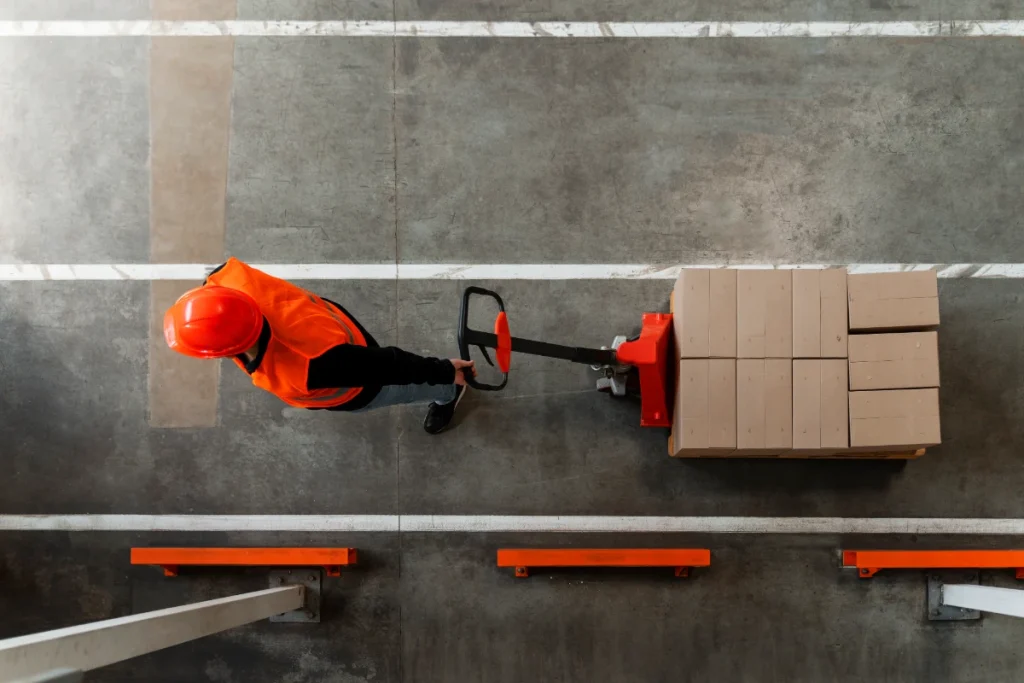
A warehouse can look productive and still have small safety problems building up underneath the routine. OSHA recommends keeping warehouse floors and aisles clear of clutter, cords, hoses, spills, and other hazards that can cause slips, trips, or falls. It also points to drainage, mats, platforms, or grated floors in areas where moisture is a problem. In other words, clean floors are not just about looking organized. They are part of basic workplace safety.
Good warehouse slip and fall prevention is not one big cleanup at the end of the month. It is the habit of noticing what keeps coming back and fixing it before it becomes normal.
Overlooked Warehouse Risks That Can Lead to Accidents
Some warehouse hazards are obvious. A large spill in the middle of an aisle, for example, gets attention right away. But the smaller ones are easier to miss, and those are often the ones that keep repeating.
Dust, Debris, and Loose Packaging
Dust does not always look dangerous, especially on concrete. But once it builds up, it can affect traction. It can also hide small debris or make floor markings harder to see.
Then there is the normal warehouse clutter that comes from daily work. Cardboard pieces, pallet wrap, labels, straps, broken pallet chips, loose packing material. One small piece may not seem like much, but in a walking path or near a busy packing area, it can easily become a trip hazard.
Spills, Moisture, and Loading Dock Traffic
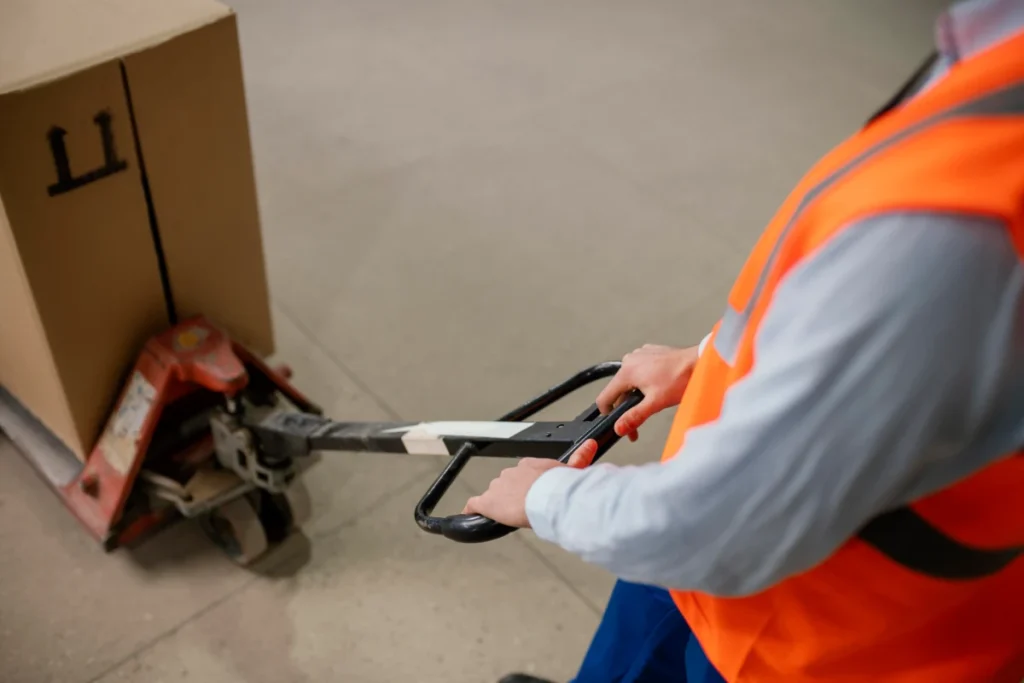
Loading docks are one of the first places to check. They deal with outdoor weather, foot traffic, forklifts, pallets, carts, and constant movement. If rain or snow gets tracked inside, that moisture spreads quicker than people think.
Small leaks should also be taken seriously. A dripping machine, a product spill, or a wet trail from one area to another can create a problem before anyone realizes it. The issue is not always the spill itself. It is how long it sits there.
Poor Floor Visibility and Faded Markings
This is one of the easiest parts of warehouse slip and fall prevention to overlook. Floor markings help people understand where to walk, where forklifts move, where storage begins, and where certain areas should stay clear. But floor markings only work if people can actually see them.
Dust, tire marks, grime, and worn paint can make safety lines harder to follow. Over time, workers may stop treating those markings as useful. That creates confusion, especially in shared spaces where pedestrians, forklifts, and moving inventory all cross paths.
Not Sure Where to Start? Use This Warehouse Safety Checklist
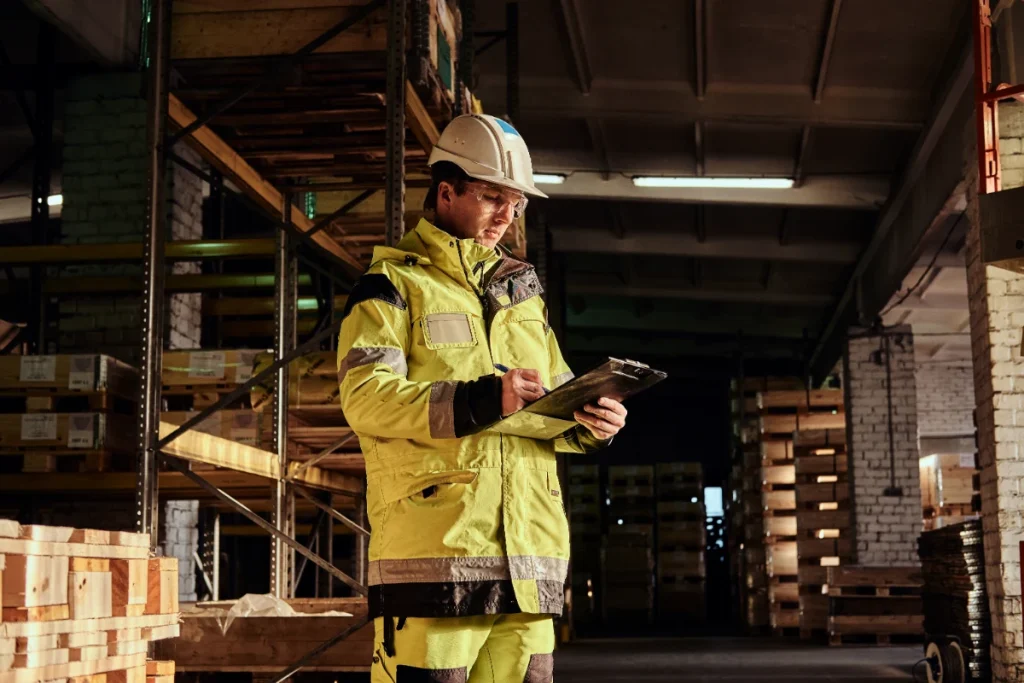
If the warehouse feels too busy to inspect everything at once, start with the basics. A simple checklist can catch a lot of issues before they turn into bigger problems.
- Remove cardboard, shrink wrap, straps, and loose packaging from walkways
- Clean spills right away and mark wet areas until dry
- Keep loading docks, entrances, and transition areas as dry as possible
- Check mats for curling edges, buildup, or sliding
- Make sure floor markings and safety lines are still visible
- Sweep or scrub high-traffic areas before dust and residue build up
- Schedule deeper floor cleaning when tire marks, grime, or dust keep returning
A checklist like this makes warehouse slip and fall prevention easier because it turns safety into a regular habit.
When Warehouse Cleaning Services Make Sense
Some warehouses can handle daily cleanup with their own staff. That works fine when the space is small, the traffic is light, and the cleaning needs are simple.
But once the same issues keep coming back, it may be time to bring in help. Dust that returns quickly. Loading dock buildup. Floor marks that do not come up with basic cleaning. Restrooms and break areas that need more consistent care. These are signs that the current routine may not be enough.
Reliable warehouse cleaning services make sense when cleaning needs to be consistent, scheduled, and done with the right equipment. They can also help reduce pressure on warehouse staff, who already have their own work to manage.
Safer Baltimore Warehouses Start With Cleaner Systems
Warehouse safety is never only one thing. It is equipment, training, layout, pace, weather, floor care, and daily habits all working together. But clean floors and clear walking paths are a good place to start because they affect almost everyone in the building.
At Interworld Cleaning, we help local businesses keep their facilities cleaner, safer, and easier to manage with reliable commercial cleaning services in Baltimore. Along with professional warehouse cleaning services, our team also supports businesses with industrial cleaning, office cleaning, floor care, high-traffic area cleaning, and routine commercial cleaning support.
No overcomplicated process. No judgment about how busy the space gets. Just steady, professional cleaning that helps support better warehouse slip-and-fall prevention and a safer work environment for the people moving.