

Post-construction cleaning services are essential for keeping commercial spaces clean and safe after construction or renovation projects. These services are often provided by commercial cleaning companies or professional cleaners such as Interworld. They follow safety rules to reduce risks and ensure fast and effective cleaning.
In this article, we will explain the importance of safety rules in post-construction cleaning services and look at key steps followed by Interworld and other commercial cleaners to maintain a safe work environment.
Why Safety Matters: Post-Construction Cleaning Services
Safety is extremely important in any cleaning service, especially after construction work. The area can contain debris, dust, and possibly harmful materials. It is important to follow safety rules to protect cleaning staff and building occupants.
Protecting Workers
Professional cleaners face different risks, such as heavy lifting, working at heights, handling sharp items, and dealing with harmful substances. Safety rules help protect workers from injuries and accidents. This reduces the chance of workplace problems.
Ensuring Occupant Safety
Post-construction cleaning is usually done in occupied commercial spaces. It is important to avoid damage, reduce disruption, and make sure cleaning does not affect the health or safety of anyone inside the building.
Compliance with Regulations
Many regions have rules related to post-construction cleaning. Following these rules protects workers and occupants and also helps avoid legal problems and fines for commercial cleaning companies.
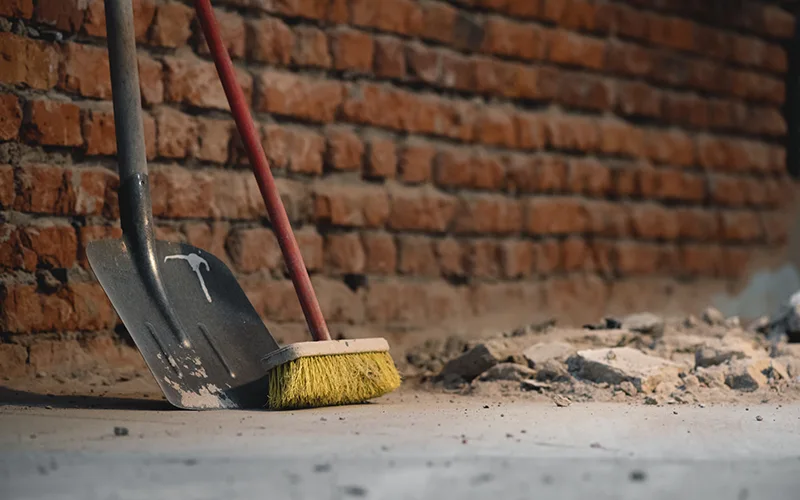
Safety Protocols and Procedures for Post-Construction Cleaning Services
Professional cleaners follow safety steps to make sure post-construction cleaning is done safely and efficiently.
| Hazard | Risk | Control |
|---|---|---|
| Fine dust (incl. silica) | Respiratory irritation | Mist surfaces, HEPA vacuum, respirator as needed |
| Exposed edges/glass | Cuts | Cut-resistant gloves, labeled sharps bins |
| Wet floors | Slips | Cones/signs, dry mops, control water use |
| Live circuits | Shock | Confirm off or LOTO; insulated tools |
| Heights (ladders/lifts) | Falls | Inspect gear, spotter, tie-off above 3 m |
| Heavy debris | Strain | Team lifts, dollies, short carries, stage routes |
Implementing Dust Control Measures
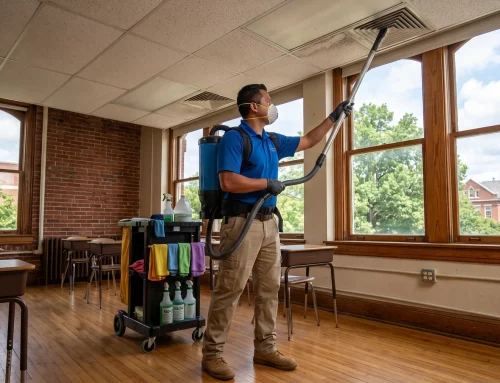
Construction work creates a large amount of dust, which can cause breathing problems. Commercial cleaners control dust by using dust barriers, wetting surfaces, and using high-efficiency (HEPA) filters. These steps help limit dust and support a safer environment.
Providing Personal Protective Equipment (PPE)
Personal protective equipment (PPE) protects workers from possible hazards. Commercial cleaners provide hard hats, gloves, goggles, masks, and high-visibility vests to keep workers safe during cleaning.
Conducting a Site Assessment
Before cleaning begins, professional cleaners check the site to identify hazards, review the work area, and decide what safety steps are needed. This includes looking for debris, dust, or dangerous materials and planning cleaning methods safely.
Following Safe Lifting and Moving Practices
Post-construction cleaning often requires lifting heavy items such as debris and equipment. Cleaners follow safe lifting rules, use proper lifting techniques, and use equipment like dollies to reduce the chance of muscle injuries.
Handling Hazardous Materials Safely
Post-construction cleaning may involve hazardous materials such as asbestos, lead-based paint, or other toxic substances. Professional cleaners are trained to contain and remove these materials safely and follow disposal rules. They seal affected areas and follow proper transport and disposal steps to prevent exposure.
Communicating and Coordinating
Clear communication between cleaning staff, construction teams, and other workers is important. Professional cleaners set communication rules, assign cleaning areas, and coordinate with construction crews to avoid safety issues and interruptions.
Ensuring Electrical Safety
Construction may involve electrical wires or systems that create electrical risks. Professional cleaners look for hazards such as exposed wires or damaged outlets. They follow safe steps such as turning off power, using insulated tools, and requesting help from certified electricians when needed.
Securing Fall Protection
Post-construction cleaning may require working at heights. Cleaners use ladders, scaffolds, or safety harnesses to prevent falls. They are trained to secure equipment and follow fall protection steps.
Regular Equipment Maintenance
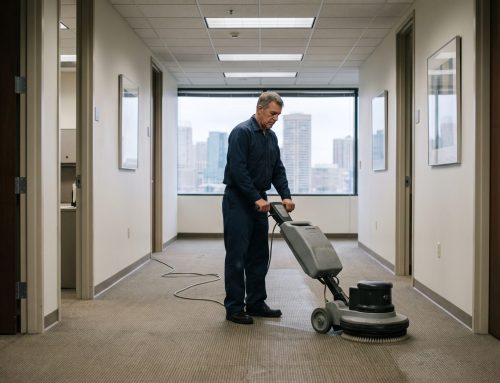
Cleaning equipment must be in good condition to ensure safety. Professional cleaners check equipment regularly, repair damaged parts, and replace items when needed. This prevents accidents caused by faulty tools or equipment.
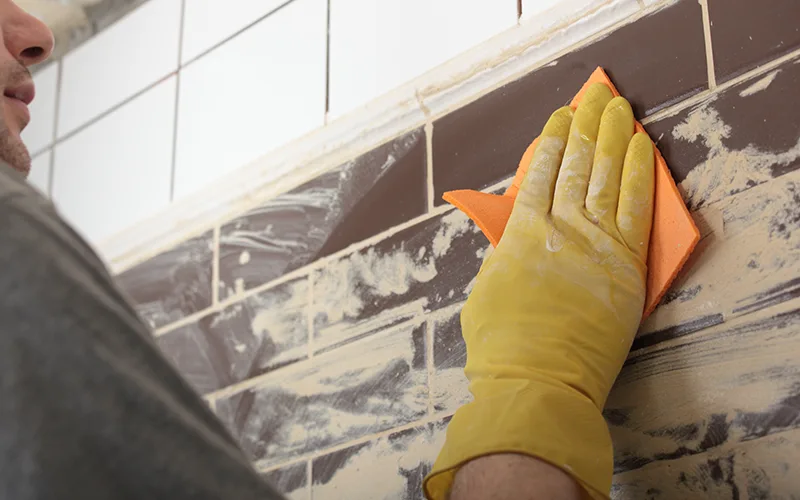
Choose Our Professional Post-Construction Cleaning Services
Safety is essential in post-construction cleaning to protect workers, keep occupants safe, meet rules, and reduce risks. Commercial cleaning companies follow strict safety steps including:
-
Site assessments
-
Providing PPE
-
Safe lifting and moving practices
-
Dust control measures
-
Safe handling of hazardous materials
-
Electrical safety steps
-
Fall protection
-
Clear communication
-
Regular equipment maintenance
If you need post-construction cleaning, make sure the company follows proper safety rules for safe and efficient results. Contact Interworld Cleaning for reliable and safe post-construction cleaning services.