

The difference between cleaning and disinfecting really comes down to what you’re trying to do. Cleaning removes dirt. Disinfecting kills germs. And somewhere in the middle, there’s sanitizing.
Lately, many homes have been going overboard, especially after the pandemic. Spraying everything, wiping immediately, and using strong products for minor things. It feels productive, but often it’s not really making a difference.
There’s a better way to handle it. Not more effort—just the right approach.
The 3-Tier Hierarchy of Home Hygiene
It helps to think of this in levels. You don’t skip ahead—you build up.
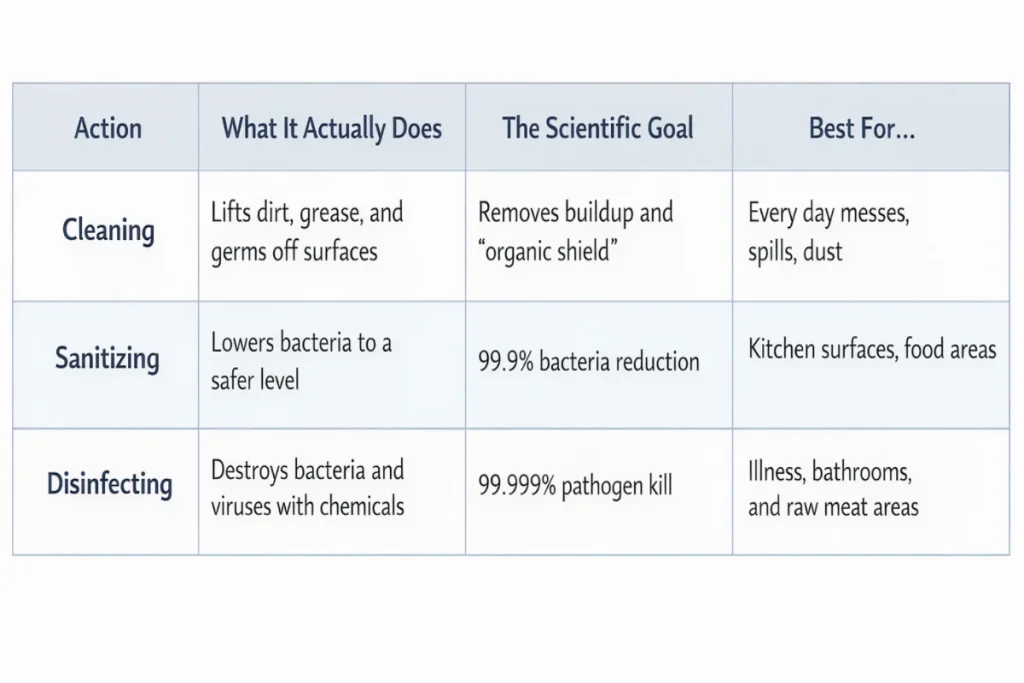
Once you really understand the difference between cleaning and disinfecting, this approach feels a lot more natural—and honestly, easier to keep up with.
Cleaning: the step that most people rush
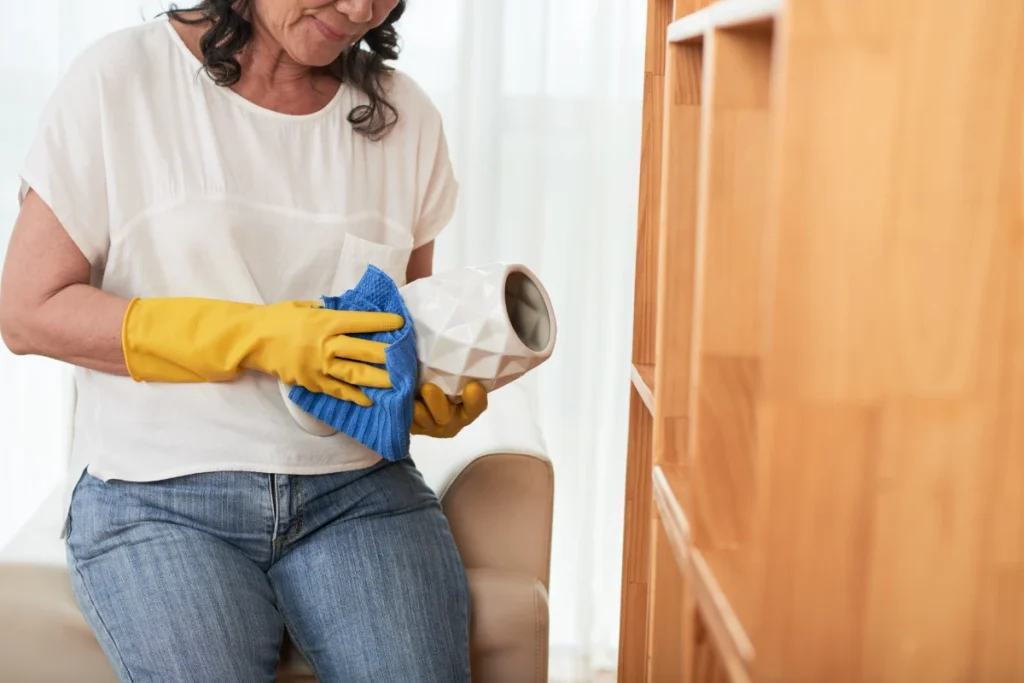
Cleaning sounds basic, but it’s doing more work than people think. Soap, water, a bit of scrubbing—that’s what actually removes grime and a lot of germs.
Here’s the part that usually gets missed. If a surface is still dirty, disinfecting doesn’t really work properly. Grease, crumbs, even dust—they act like a barrier. So when you spray over that, the product can’t fully reach what’s underneath.
That’s why this matters when understanding the difference between cleaning and disinfecting. Cleaning isn’t optional. It’s the first step every time.
Sanitizing: where things get practical
Sanitizing sits in the middle. It doesn’t kill everything, but it brings bacteria down to a safe level.
This is where most homes actually need to focus more. Kitchen counters, cutting boards, and inside the fridge—these don’t always need heavy disinfectants, just proper sanitizing.
When people compare sanitizing vs disinfecting home routines, this is usually where things get mixed up. Disinfecting feels stronger, but stronger isn’t always necessary.
Disinfecting: when it actually matters
Disinfecting is the heavy-duty option. It’s meant for situations where there’s a real risk—illness, bathrooms, raw meat preparation.
But it doesn’t need to be everywhere. Using it on every surface, every day, doesn’t add much benefit and can be a bit excessive.
Knowing the difference between cleaning and disinfecting helps you avoid the habit of overusing strong chemicals when they’re not really needed.
The “spray and wipe” habit
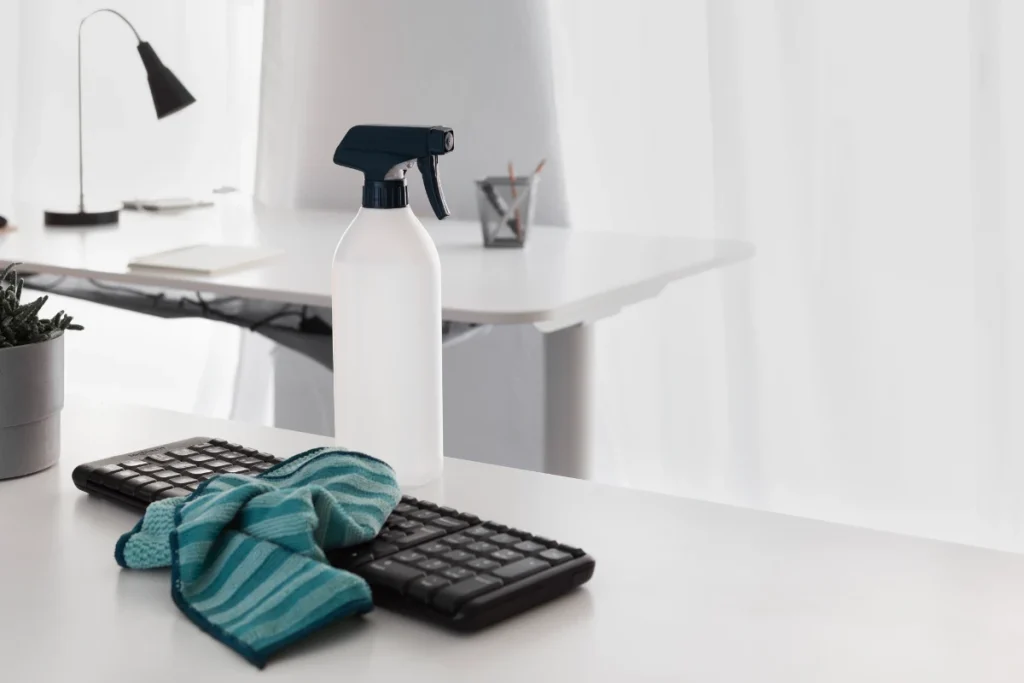
A lot of people spray a surface and wipe it almost immediately. It feels quick, efficient… done. But that’s the problem. Disinfectants don’t work instantly. They need time to actually break down germs. That means the surface has to stay wet for a few minutes.
If it dries too fast or gets wiped right away, the disinfecting step doesn’t fully happen.
Why that time matters more than you think
It’s basically a chemical reaction. The product needs contact time to do its job.
Even with alcohol-based cleaners, there’s a balance. 70% alcohol works better than 99% because it doesn’t evaporate as fast. It stays on the surface long enough to be effective. It’s a small detail, but once you notice it, it changes how you clean completely.
What your home actually needs (room by room)
You don’t need a complicated system. Just something that makes sense.
Kitchen (prep areas)
Clean after use. Sanitize regularly. Disinfect only after raw meat or if someone is sick.
High-touch spots (handles, switches, remotes)
Clean weekly. Disinfect occasionally, or more often during illness.
Bathrooms
Clean weekly. Disinfect key areas like toilet handles and faucets.
Floors
Clean regularly. Disinfecting floors is usually unnecessary and doesn’t really help with everyday health concerns.
Areas and Situations That Deserve More Focus
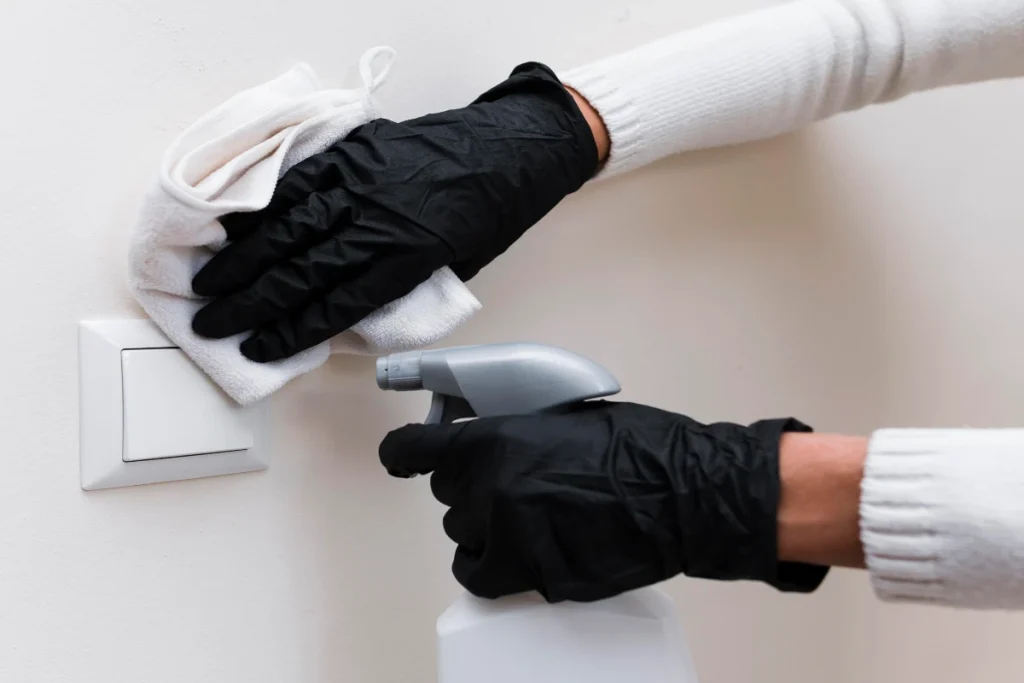
Most of the time, a simple routine works. But there are moments when it makes sense to step things up a bit and be more intentional with disinfecting.
If someone in the house is sick, especially with something contagious, it’s worth disinfecting high-touch surfaces more frequently. Homes with small children, older adults, or anyone with a weaker immune system also need a bit more attention. Not extreme cleaning, just being more consistent in the areas that matter most.
When professional cleaning makes a difference
For larger spaces or places with constant use, things get more complex. Offices, warehouses, industrial areas—these aren’t environments where guesswork works.
At Interworld Cleaning, we apply this same structured approach across every job. Our commercial cleaning services in Baltimore are built around doing things correctly, not just quickly. As a commercial cleaning company, we focus on what each space actually needs—whether that’s routine commercial cleaning, warehouse cleaning, disinfection services for a safer Baltimore home, and post -construction cleaning.
If you want to work with experienced commercial cleaners in Baltimore who prioritize safety and never skip steps, contact Interworld Cleaning for a facility that is perfectly maintained.