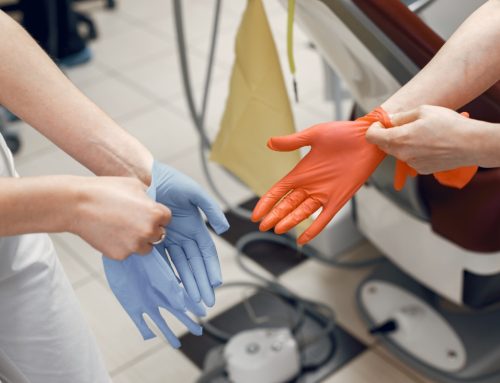
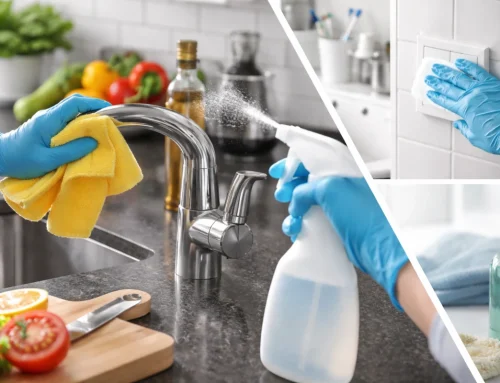
To get rid of mold in your shower and bathroom, you need a cleaner that actually kills mold, a bit of scrubbing, and then a serious fix for the moisture problem. That’s it in plain terms. Shower mold removal and bathroom mold removal aren’t magic tricks. You spray the right product, give it time to work, scrub the grout and corners, rinse well, dry the area… and then make sure the bathroom doesn’t stay wet and foggy all the time. If you skip that last part, the mold will just come back, usually faster than you’d like.
- Long hot showers with no fan running
- A weak or broken exhaust fan
- Tiny leaks around the tub, shower door, or under the sink
- Towels and bathmats that stay damp for hours
- Old grout and caulk that soak up moisture
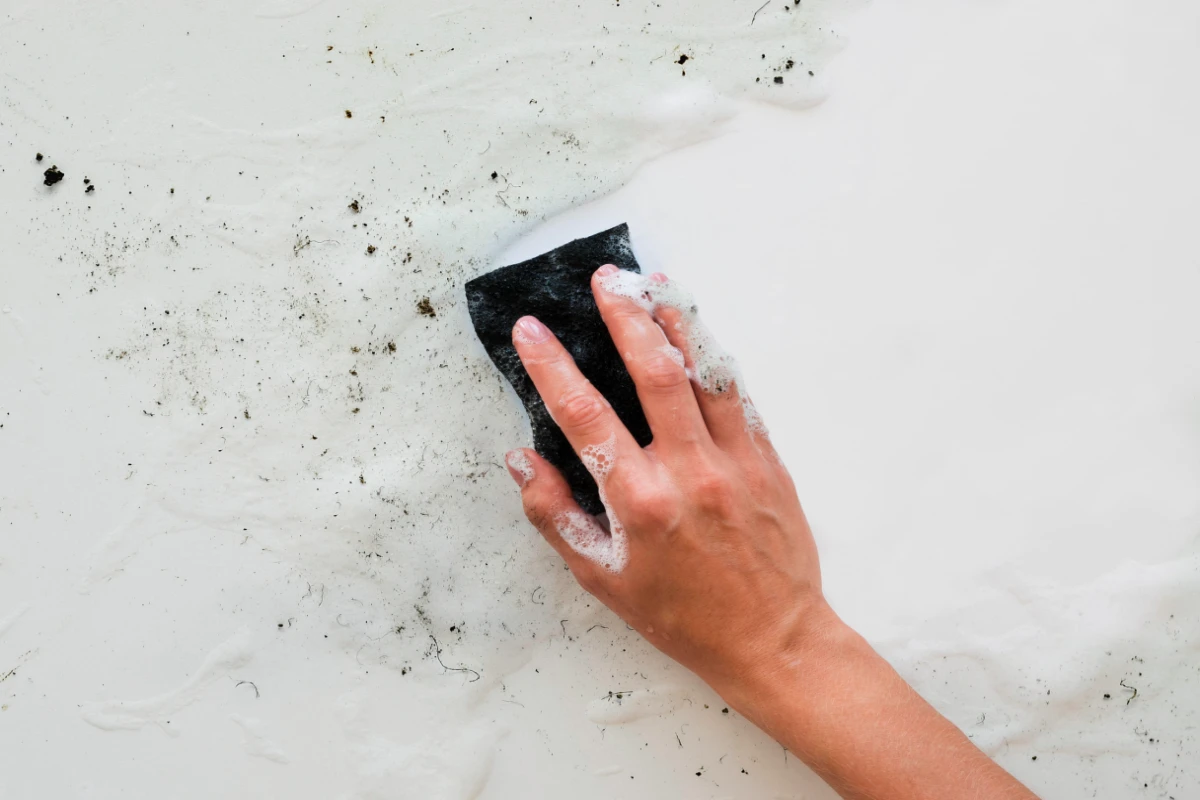
Once mold settles into grout or silicone, it doesn’t just sit on the surface. It sneaks into the tiny pores, which is why a quick wipe with a sponge never lasts.
How to remove mold from shower surfaces (step by step)
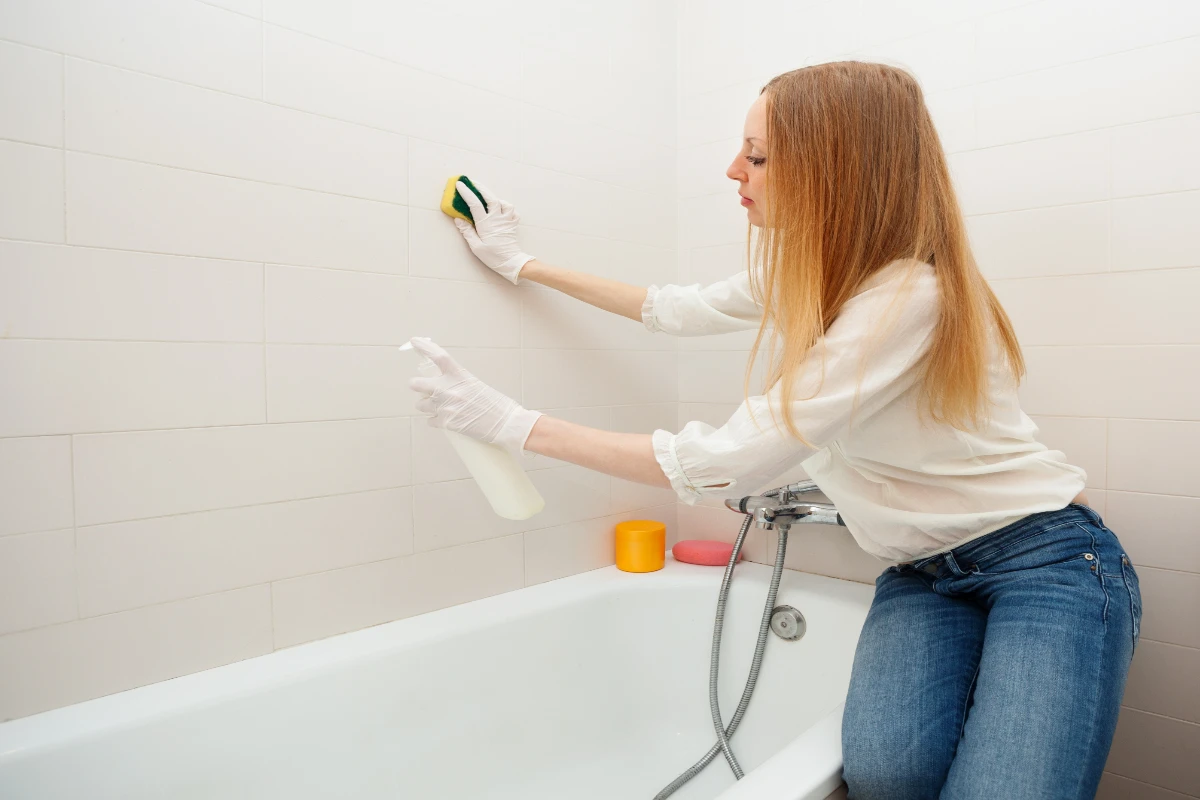
Here’s a simple way to remove mold from shower walls and corners without overcomplicating things.
- Get the room and yourself ready
- Turn on the fan, maybe crack a window if you can.
- Put on rubber gloves. If the smell bothers you, a basic mask helps.
- Pick your cleaner
- Light mold: plain white vinegar in a spray bottle can do a decent job.
- Heavier mold: mix about 1 cup of bleach with 1 gallon of water, or use a store-bought mold/mildew cleaner.
- Don’t mix bleach with any cleaner that has ammonia. Just don’t.
- Spray and let it sit
- Spray the moldy spots generously—grout lines, corners, around the faucet, and along the caulk.
- Let it sit 10–15 minutes. This part is boring, but it’s when the cleaner actually works.
- Scrub like you mean it
- Use an old toothbrush or small brush for grout lines.
- Use a non-scratch pad for flat surfaces.
- This is the real shower mold removal work: small circles, a bit of patience, and yes, your arm might get tired.
- Rinse and see what’s left
- Rinse with warm water and wipe with an old towel or microfiber cloth.
If some dark spots are still stuck inside the caulk, that caulk may be stained for good and might need to be cut out and replaced later.
How to keep bathroom mold from coming back
Cleaning once is the easy part. Keeping it from returning is where most of us slip.
- Run the fan during your shower and for at least 20 minutes afterward.
- If you can, quickly squeegee or wipe the walls after the last person showers.
- Hang towels and mats so they actually dry, not in a damp heap.
- Fix small drips and leaks instead of “checking them later.”
- Do a light clean weekly so bathroom mold removal doesn’t turn into a big project every month.
When Commercial Cleaners Make More Sense
Sometimes the mold is everywhere, or you’re dealing with restrooms in an office, a shop, or a larger building. At that point, calling a commercial cleaning company saves a lot of stress.
Interworld Cleaning Service in Baltimore, MD provides commercial cleaning services in Baltimore, including deep restroom and shower cleaning. Our commercial cleaners already have the right products, tools, and routines to handle stubborn bathroom mold and keep high-traffic bathrooms looking and smelling clean. If you’re tired of fighting mold in a business space or larger property, bringing in a professional team can help you stay ahead of it instead of constantly chasing those same ugly spots.